
Four years after the autumn of 2022
How did a protest become a demand for revolution?
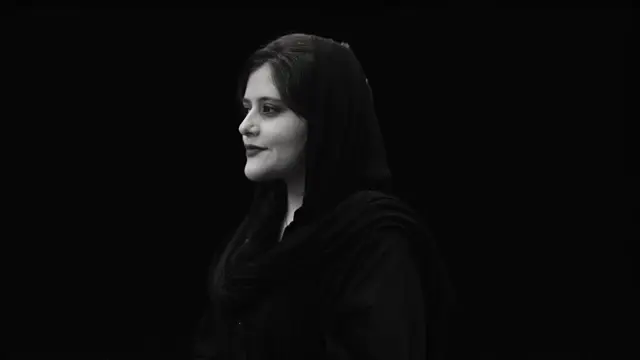
Three days separated the arrest of Mahsa Jina Amini in Tehran from the announcement of her death at Kasra Hospital. It took only a few more for the death of a 22-year-old woman to become the spark for one of the broadest and longest waves of protest in the history of the Islamic Republic.
On September 16, 2022, the first crowd gathered outside Kasra Hospital. The next day, Jina’s body was buried at Aichi cemetery in Saqqez. Women there pulled off their headscarves, and the chant “Jin, Jiyan, Azadî” traveled out of Kordestan almost at once: Sanandaj came into the streets, students in Tehran took up the slogan, and more points on the map of Iran began to light up.
Over the three months that followed, street, university, school, bazaar, metro and cemetery became connected. The death of one protester could turn their memorial into a new protest, the crackdown on one university could bring others out, and a voice from Kordestan could be answered in Baluchestan.
The protest moved quickly beyond the morality police and compulsory hijab, and for part of those in the streets it became a demand to change the political order itself: a wave that came to be known as the revolutionary movement of “Woman, Life, Freedom.”
The mass gatherings thinned after several months under the weight of the crackdown, but the experience of protest, the defiance of women, the politicization of a new generation, the families’ pursuit of justice and the bonds between cities did not disappear. Three years later, in the protests of early 2026 and what came to be called the Iranian National Revolution, Iran again saw protests demanding fundamental political change: a different wave, in a society that carried the experience of 2022 inside it.
Four years on, the question is not only where the revolutionary movement of “Woman, Life, Freedom” arrived. It is what those protests changed in Iranian society, and what legacy they left behind.
Breaking the fear
When the streets filled again
Breaking the fear: When the streets filled again
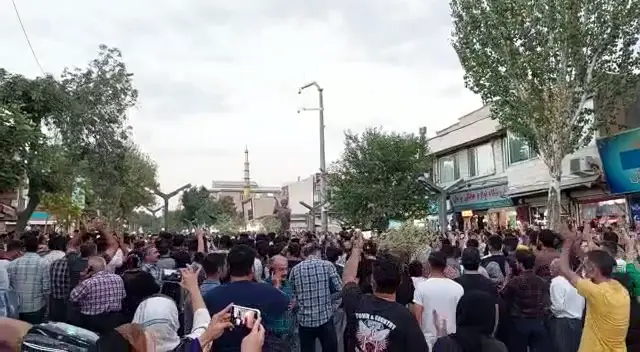
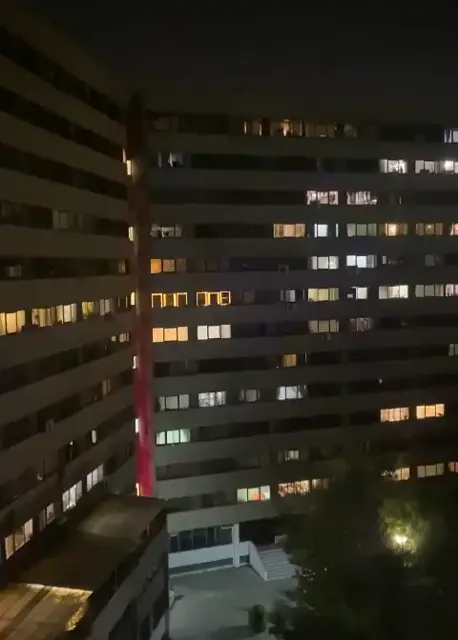
The protests began in Saqqez before Jina’s body was in the ground. Security forces were present, the confrontations started, and news of the crackdown reached other cities. Yet the next day Sanandaj did not stay quiet. Tehran joined. The universities joined. At night, chants against the system and against Ali Khamenei could be heard from windows.
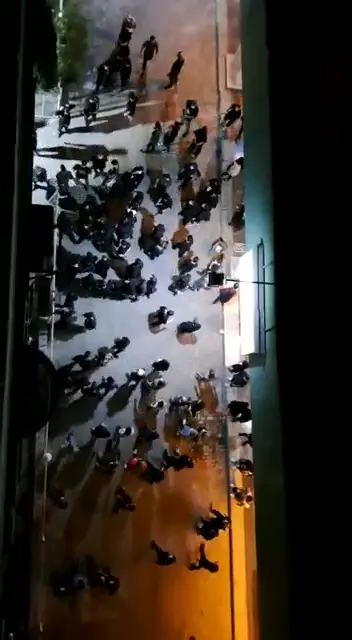
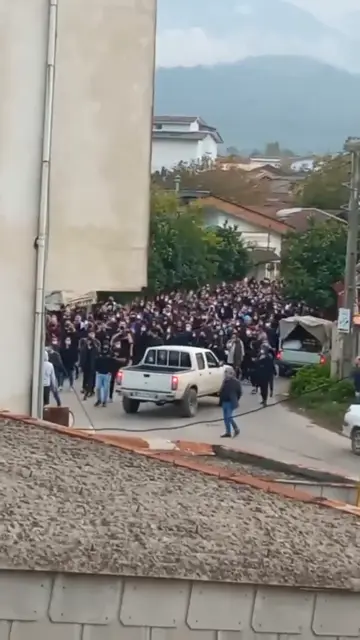
Then the pattern repeated, again and again: crackdowns in Sanandaj, Divandarreh, Saqqez, Dehgolan and elsewhere, and protest returning anyway; protesters killed in Mahabad and Javanrud, and people coming back; gunfire in Zahedan, and a new gathering the following Friday; Mehrshad Shahidi killed in Arak, and a crowd at his funeral; the fortieth-day memorials for Jina, for Nika Shakarami, for Hadis Najafi and for the others whose names endure, and people returning once more to the streets and the cemeteries.
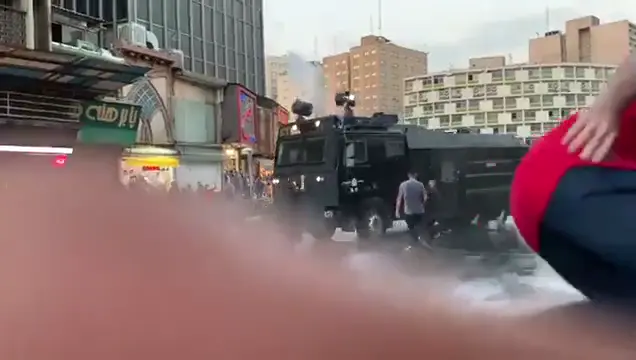
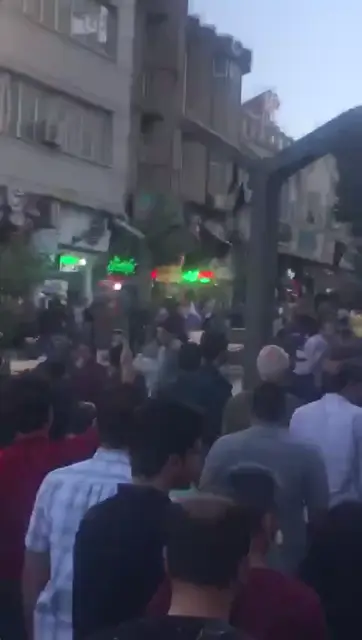
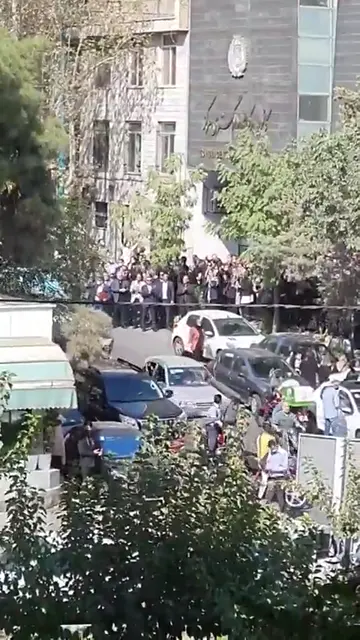
The protests of November 2019 had shown that the state could crush a street movement within days through extreme violence. In 2022, protest changed shape and continued, at varying intensity, for months.
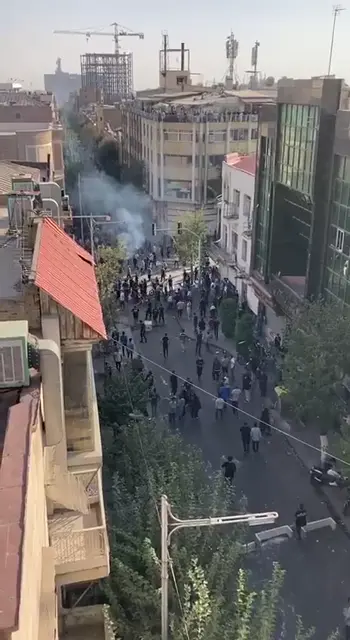
This did not mean fear had gone. The killing of hundreds, the arrest of thousands and the threat of execution made fear more real, not less. The more important shift was perhaps this: for part of society, fear no longer automatically meant silence.
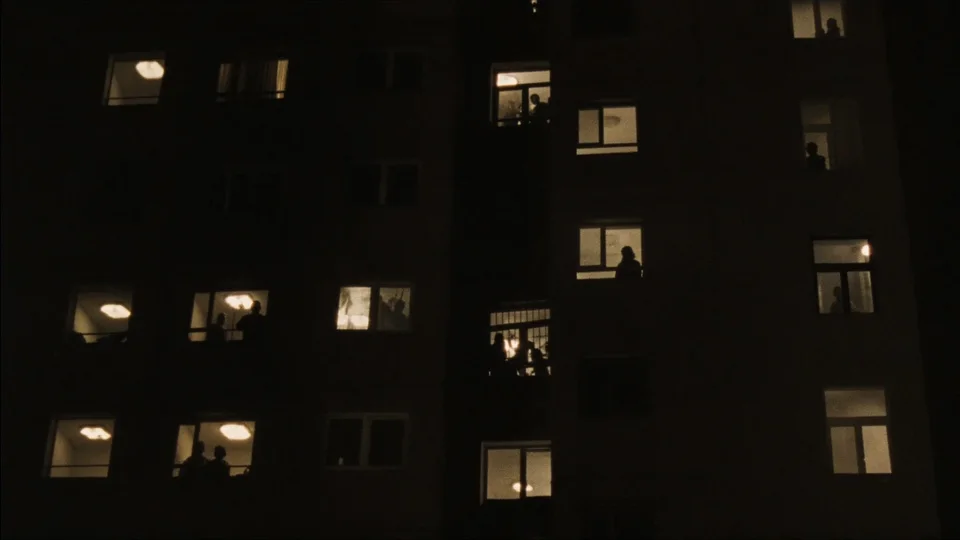
For part of society, fear no longer automatically meant silence.
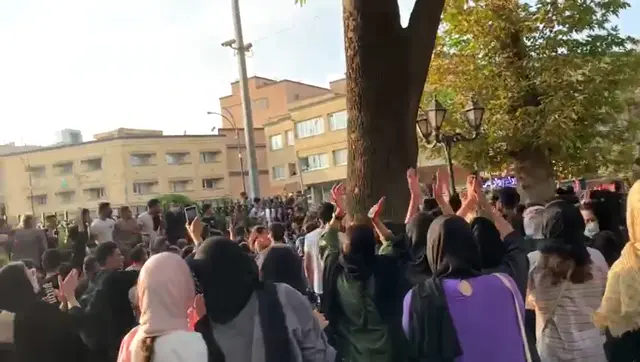
Connection
When cities became each other’s voice
Connection: When cities became each other’s voice
Followed on a map of Iran, the story was not simply one protest spreading from city to city. The cities began, gradually, to call out to one another.
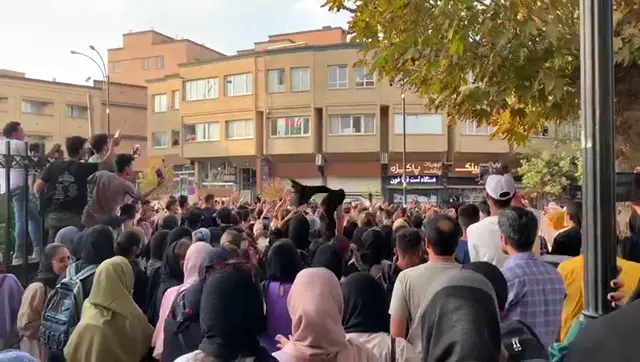
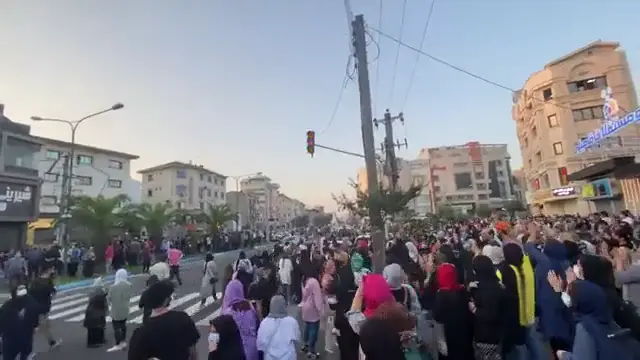
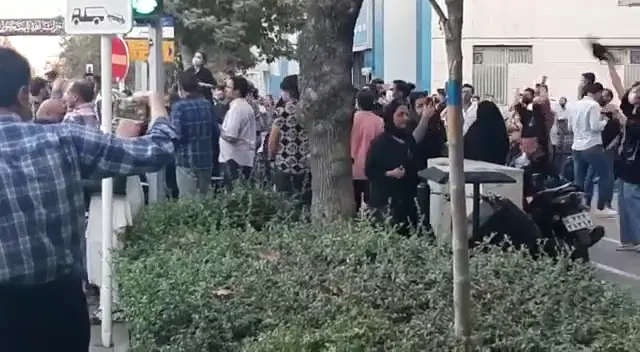
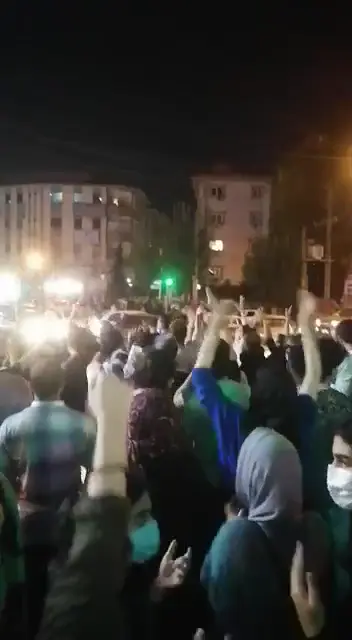
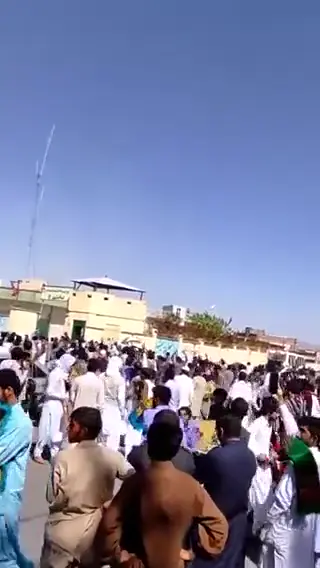
The protests started in Tehran and Kordestan, but more names were soon added to the map: from Tabriz and Ardabil to Rasht and Sari, from Mashhad and Birjand to Isfahan and Shiraz, from Ahvaz and Bushehr to Bandar Abbas, from Kermanshah and Khorramabad to Zahedan. Within three weeks, protest had been recorded in all 31 of Iran’s provinces.
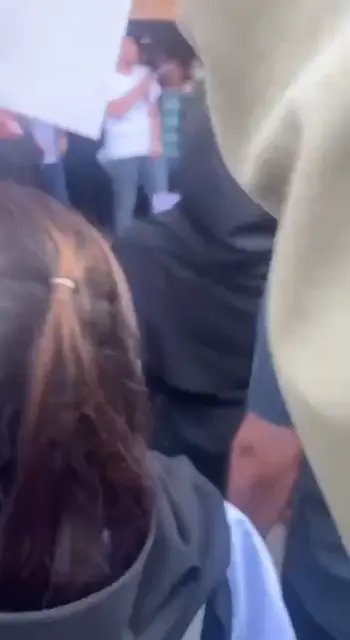
The chants told the story of the connection. “Fear not, fear not, we are all together” became “Fear now, fear now, we are all together.” The slogan was a picture of what was happening on the map.
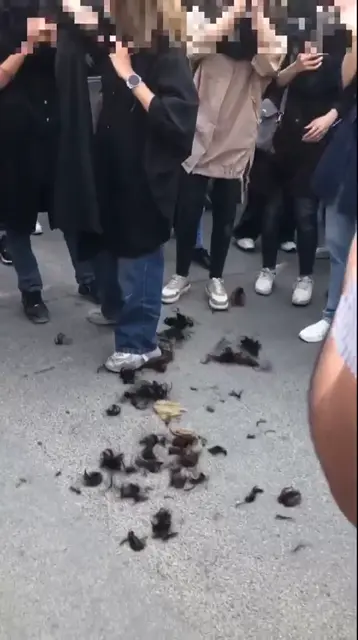
In the first 20 days alone, the Human Rights Activists News Agency, HRANA, recorded protests in 105 cities and at 69 universities, and by the end of 2022 some compiled datasets put the number of cities at around 161. The intensity and reach of the protest were not the same everywhere, but for a time, geographical distance had come to mean something different.
An event in Saqqez could produce a reaction in Tehran, a crackdown in Mahabad could echo on a campus in another city, and the sound of Zahedan could be heard hundreds of kilometers away.
Solidarity
When bonds crossed ethnic and geographic lines
Solidarity: When bonds crossed ethnic and geographic lines
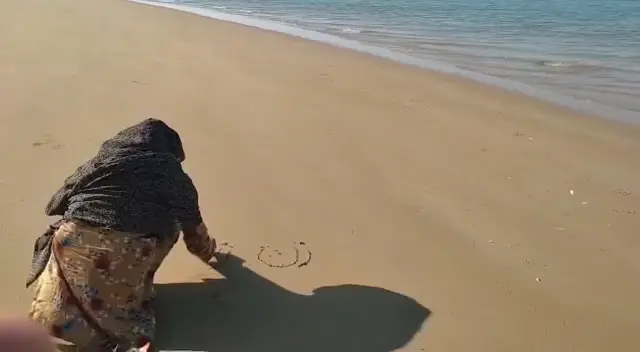
Saqqez and Zahedan sit at opposite ends of the map. One is a town in Kordestan, in the west of the country; the other is the capital of Sistan and Baluchestan in the far south-east, with a different language, a different faith, a different history and a different experience of the center of power.
But in the autumn of 2022, the distance between them sometimes shrank to nothing.
“Woman, Life, Freedom” traveled from its Kurdish origins into Persian and into other cities. After Zahedan’s Bloody Friday, the name of Baluchestan entered the slogans and the national conversation. From Zahedan, in turn, came chants in support of Kordestan, and at moments slogans linking Baluchestan and Kordestan were heard in the streets: “From Kordestan to Zahedan, my life for Iran” and “Zahedan, Zahedan, the light of Iran’s eyes.”
Ethnic, religious and political divides fell away. Something happened. For moments, the pain of a distant region became the concern of another city.
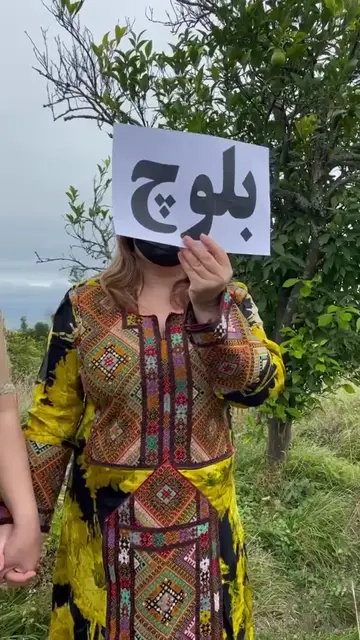
Sanandaj was no longer just a name in the news for Tehran. Zahedan was no longer just “the south-east.” Khodanour Lojei, a young Baluch man from Zahedan, became a symbol far beyond Baluchestan, and Jina, a Kurdish woman from Saqqez, became the name of a protest across the whole of Iran.
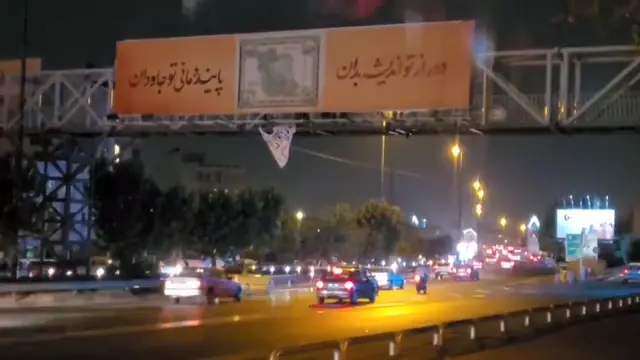
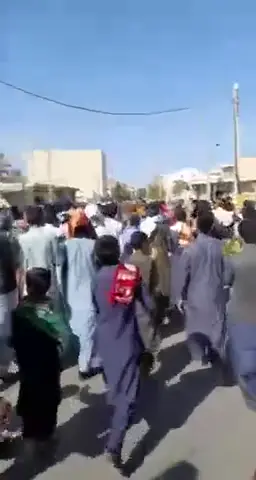
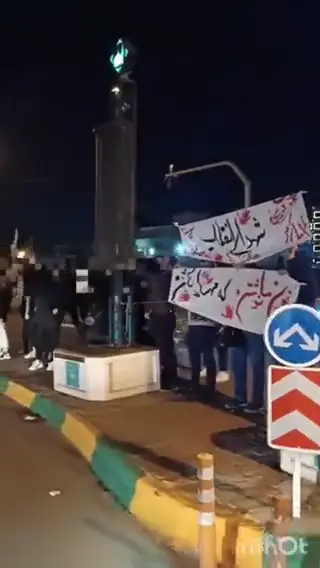
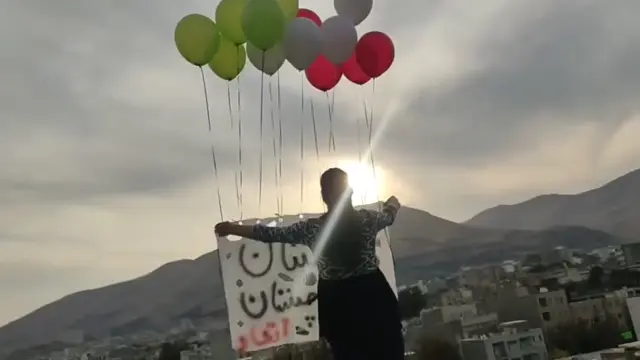
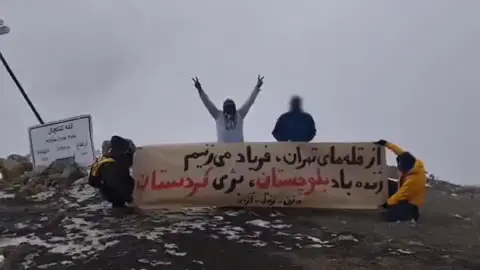
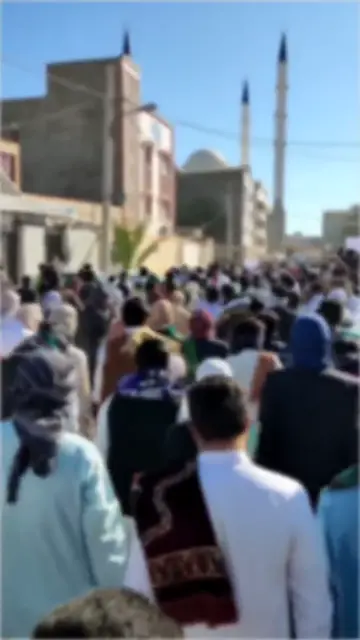
For moments, the pain of a distant region became the concern of another city.
Women
This time not only in the ranks of protest
Women: This time not only in the ranks of protest
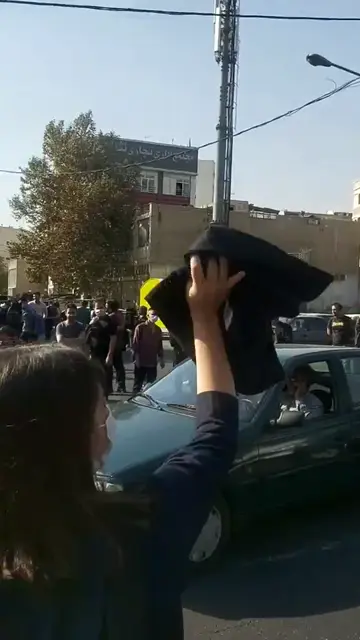
One of the first images was a woman whirling her headscarf above her head. Then another: a headscarf in flames. Then a woman cutting her hair. Then schoolgirls in a playground with their heads uncovered.
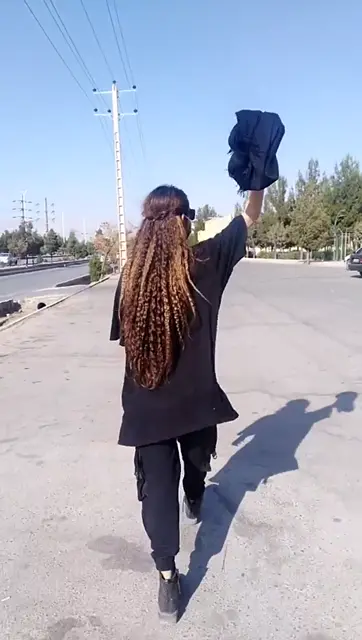
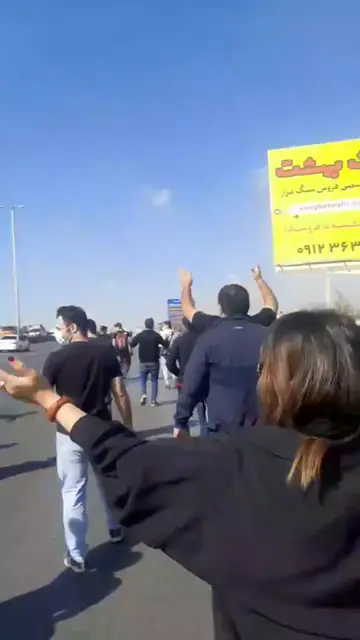
Women had been present in Iran’s earlier protests, from the Green Movement of 2009 to the unrest of December 2017 and November 2019. This time the difference was not only their numbers. The spark was the death of a woman over her hijab, and the first images were made by women. What had until then been filed away as “a women’s issue” became the demand of the whole society — women and men, side by side.
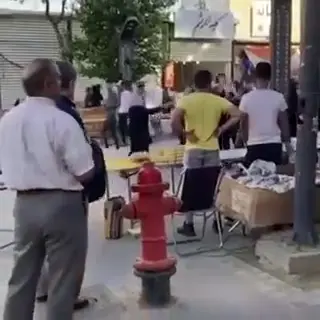
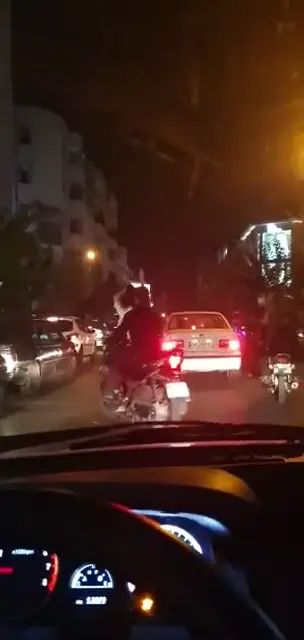
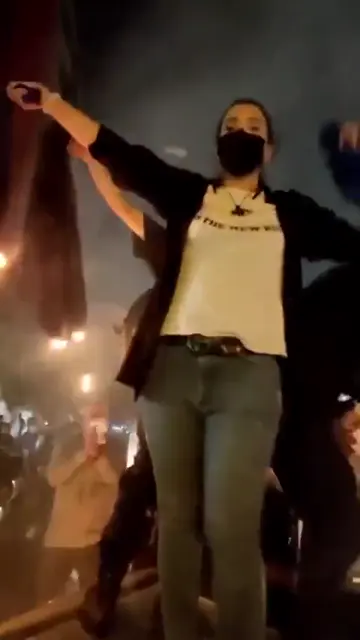
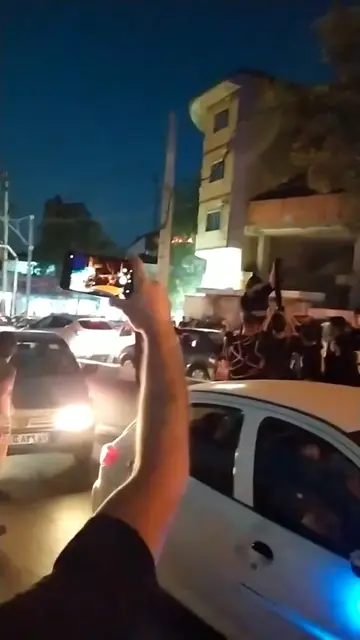
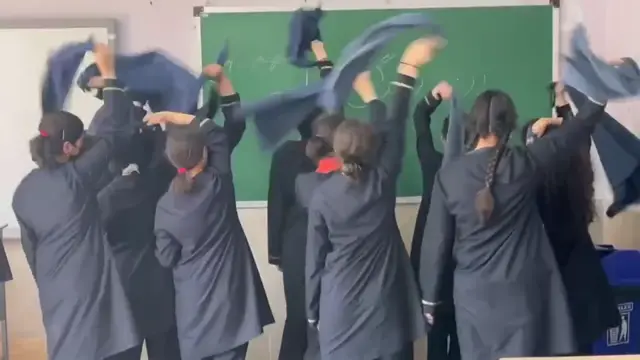
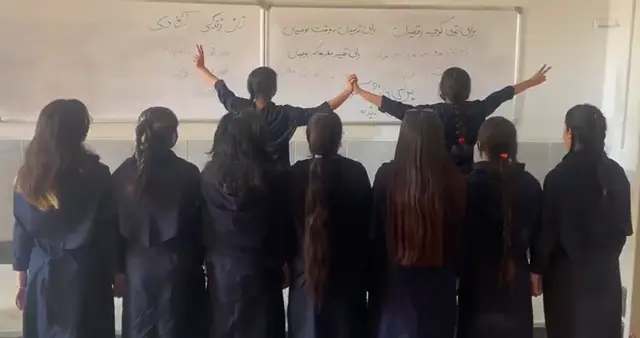
In Saqqez, women removing their headscarves made part of the first image of protest. In Tehran and Isfahan, women without hijab stood facing the security forces. On campuses, female students challenged the rules on covering and on gender segregation. In schools, girls not yet old enough to vote chanted. Women artists published photographs of themselves unveiled.
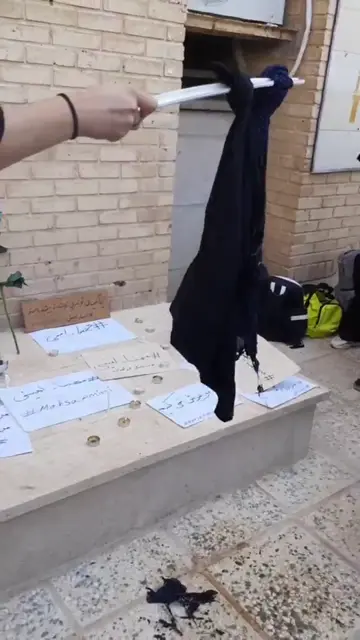
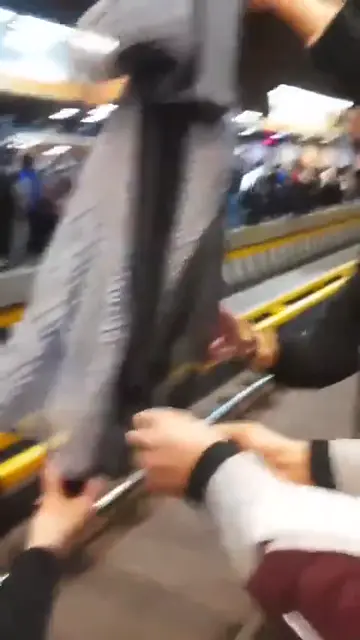
“Woman, Life, Freedom” was not only about women. But it was unthinkable without them. That may have been one of its central legacies: woman moved from being a subject whose freedom others discussed to being one of the principal authors of the language of protest.
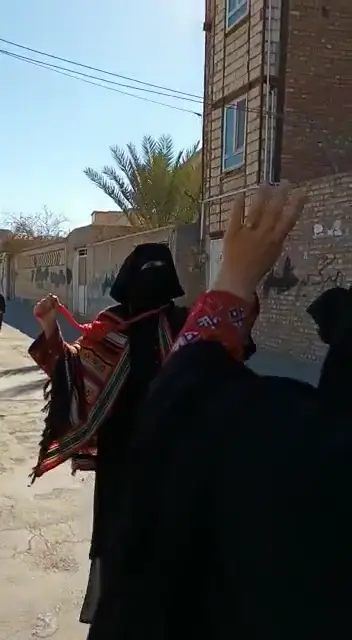
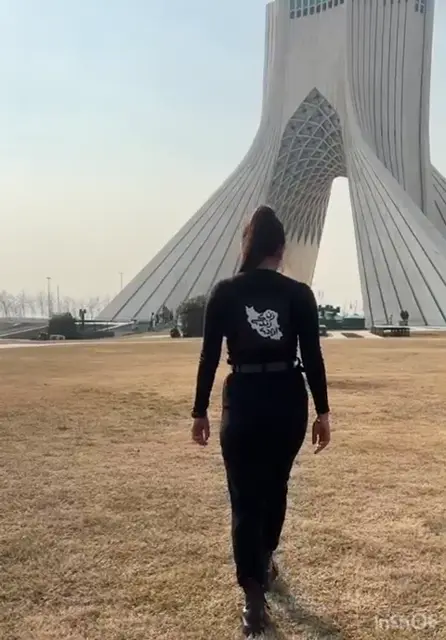
“Woman, Life, Freedom” was not only about women; but it was unthinkable without them.
A new generation
Politics entered the schoolyard
A new generation: Politics entered the schoolyard
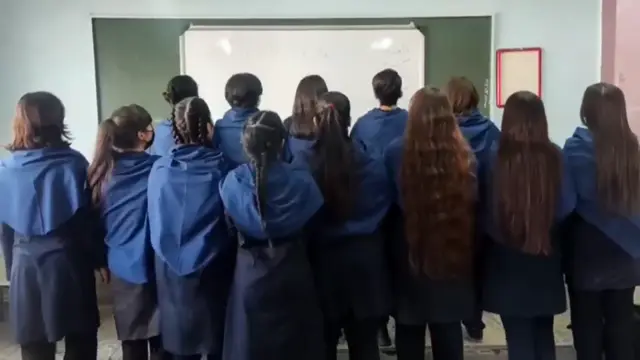
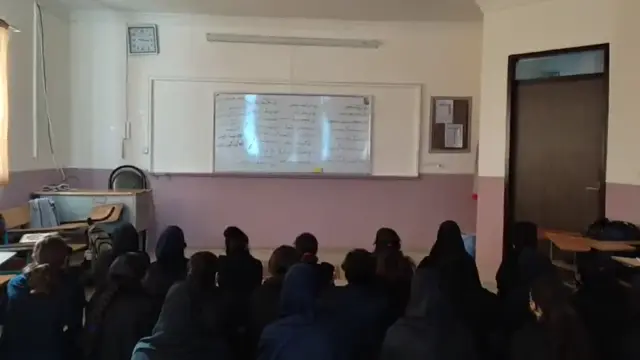
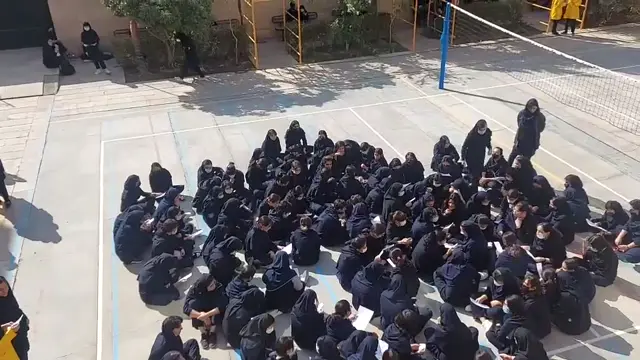
One of the most unexpected events of that autumn was the spread of protest into the schoolyard, a place that had rarely before been seen as a center of political dissent.
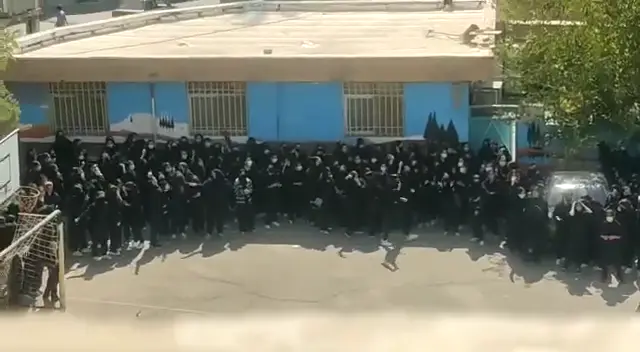
Teenage girls removed their headscarves, took down official portraits and chanted. Videos emerged from Tehran, Karaj, Saqqez, Sanandaj and other cities, and alongside them came reports of security responses, summonses and the arrest of pupils.
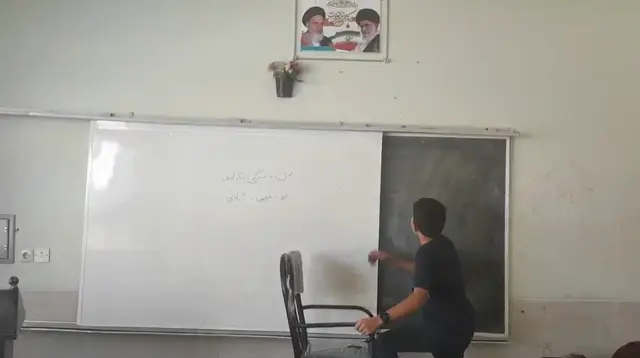
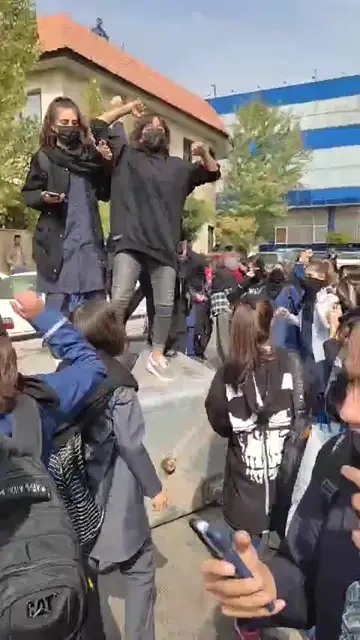
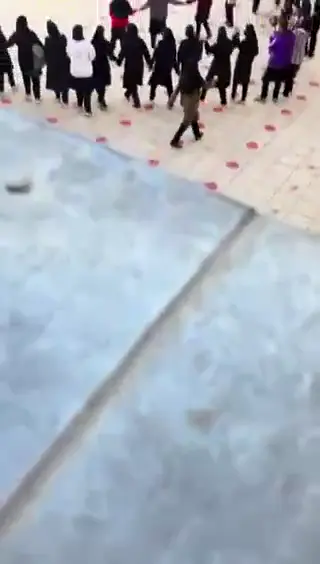
A generation that in part could not yet vote experienced politics not only through textbooks or elections but in the schoolyard, in the street, on a phone, and by watching people its own age killed.
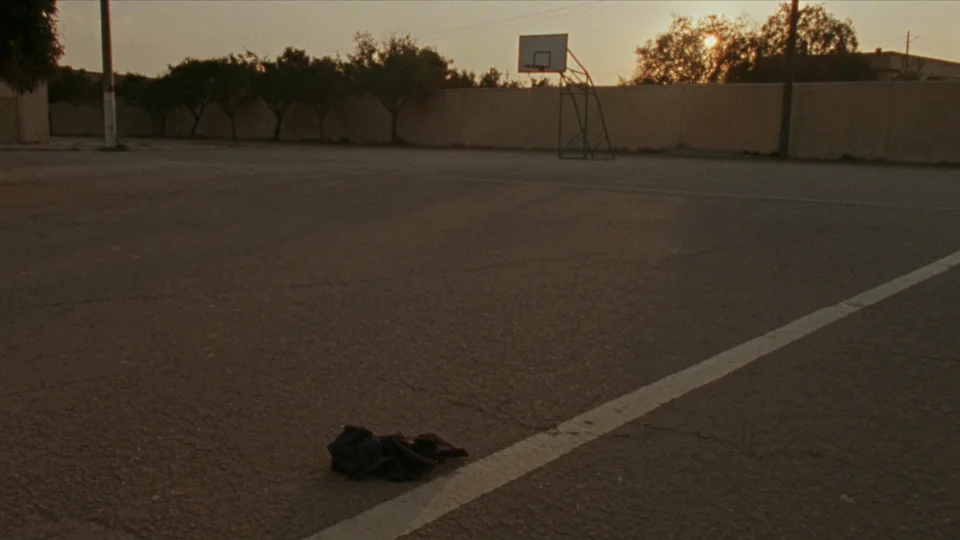
Four years later, that 14-year-old girl may be an 18-year-old student, part of a generation carrying one of the most durable legacies of those protests: the experience of becoming political, far earlier than anyone expected.
The experience of becoming political, far earlier than anyone expected.
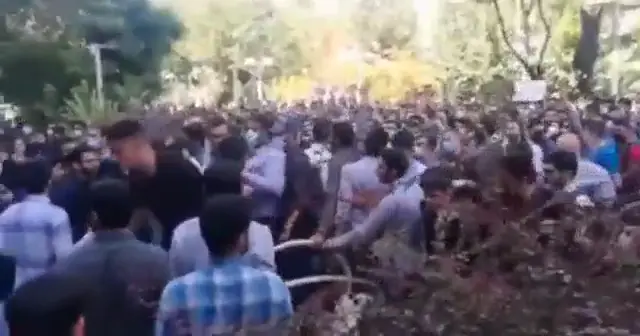
The university
The night Sharif did not stand alone
The university: The night Sharif did not stand alone
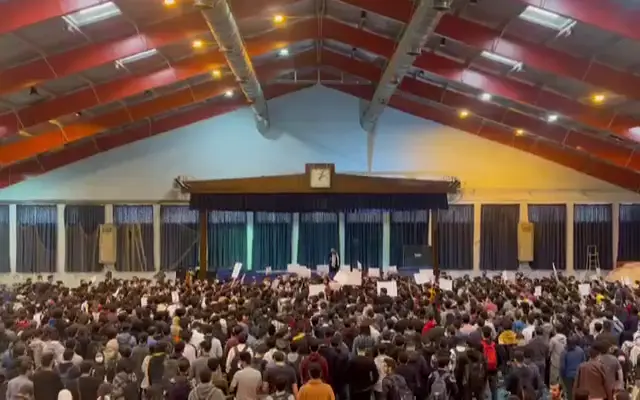
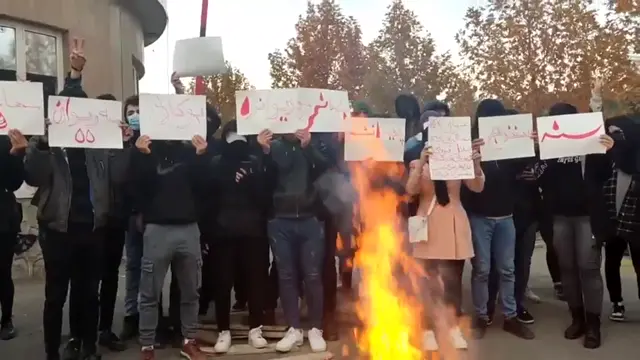
On the evening of October 2, 2022, Sharif University of Technology became one of the principal scenes of the crackdown on student protest.
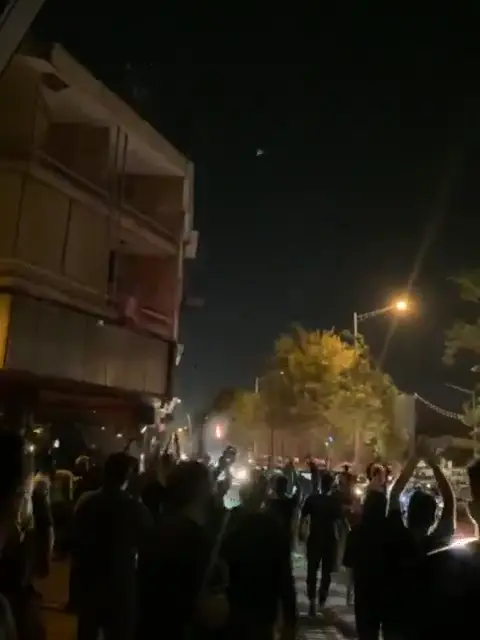
Security forces surrounded the campus. Reports emerged of shooting, tear gas, students chased and detained. Some students were trapped in parts of the university, and families came to its gates. Footage from that night spread within hours.
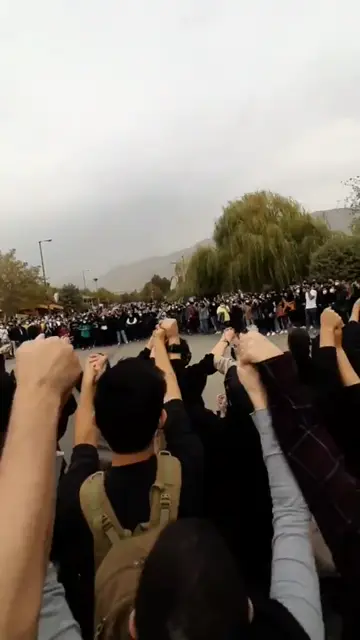
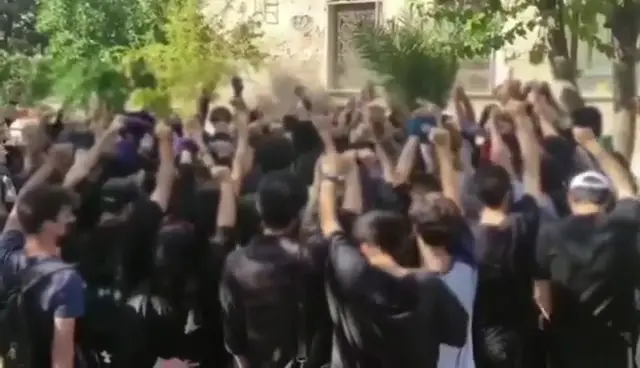
The University of Tehran, Amirkabir, Allameh, Beheshti, Alzahra, Art and Tarbiat Modares; the universities of Tabriz, Ardabil, Rasht, Zanjan, Hamedan, Kermanshah, Sanandaj, Isfahan, Shiraz, Bushehr, Bandar Abbas, Yazd, Mashhad and Kerman; and dozens of other campuses saw sit-ins, strikes or protests. Compiled data point to protest at roughly 143 to 144 universities across all 31 provinces.
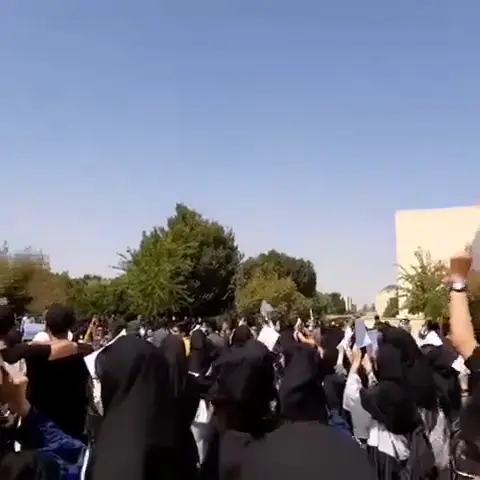
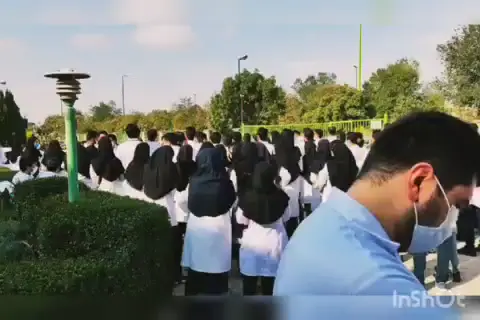
The assault on Sharif was meant to silence the universities. In the short term it became the event that drew the other universities into response.
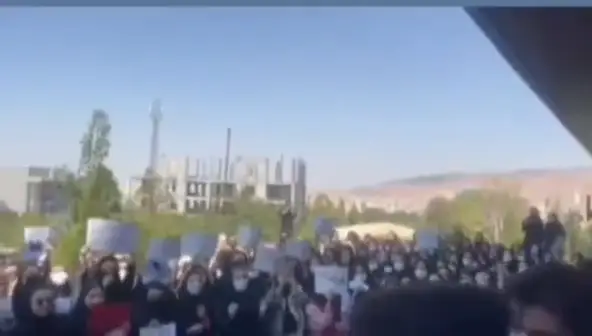
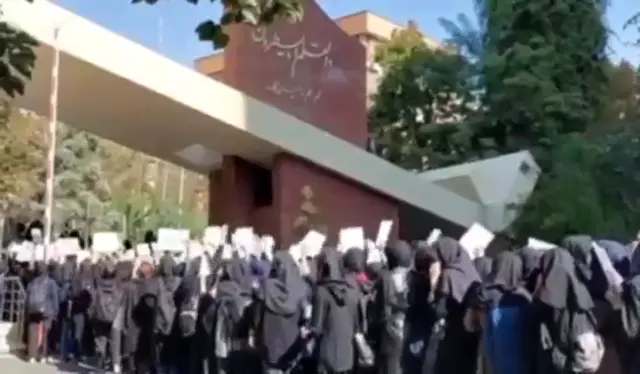
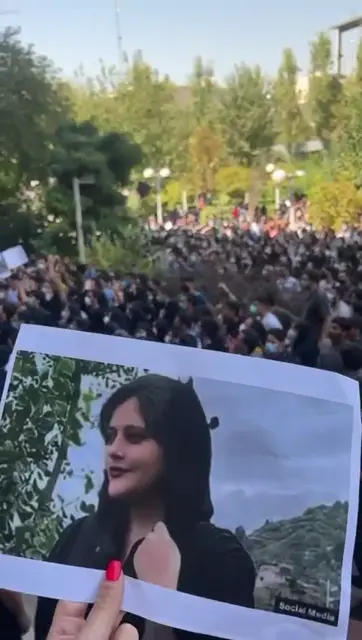
The network was not only between cities; it had formed between campuses too.
Defiance
Protest that moved from the street into daily life
Defiance: Protest that moved from the street into daily life
The large crowds gradually thinned. But in Tehran, Rasht, Shiraz, Isfahan, Karaj and other cities, something remained in the everyday picture: women who no longer wore the headscarf.
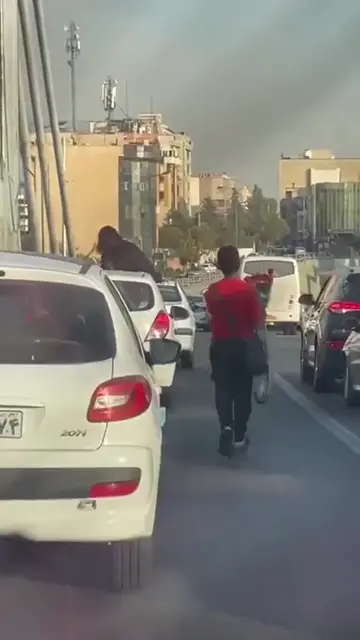
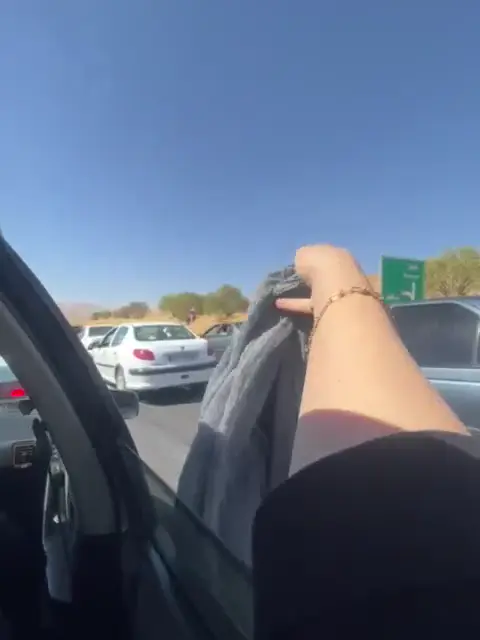
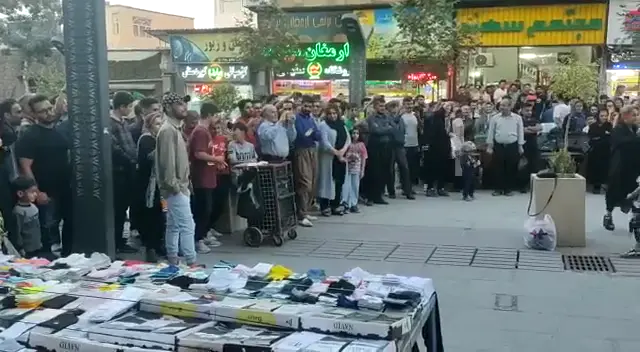
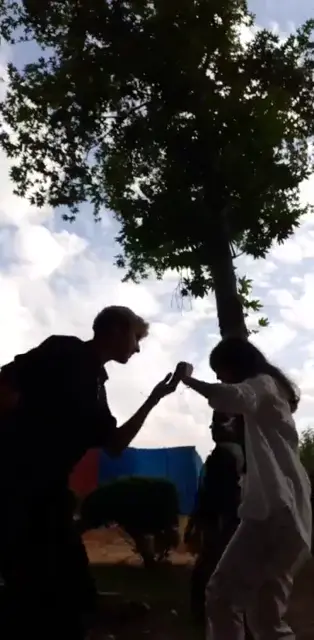
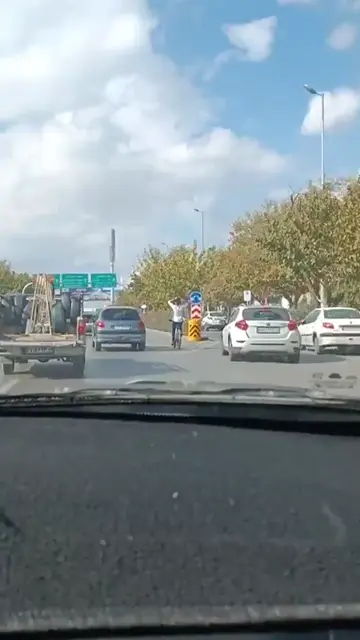
Protest no longer always required someone to chant.
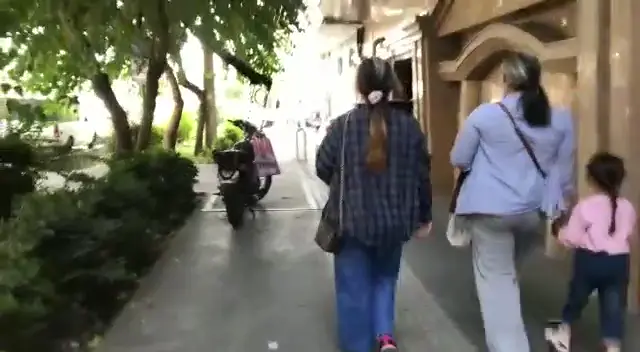
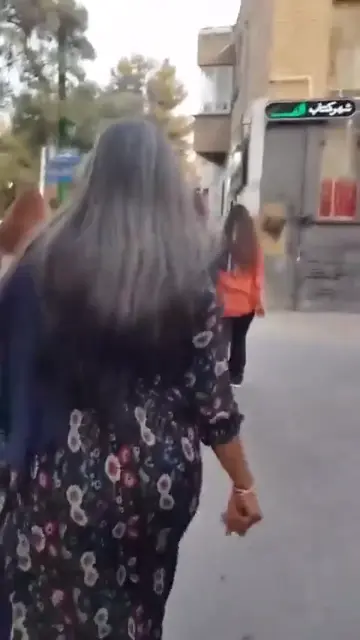
Sitting in a cafe uncovered, walking down the street, boarding the metro, driving, going to a shopping center: ordinary acts that, under the laws of the Islamic Republic, could become political ones.
The state did not repeal compulsory hijab. On the contrary, in the years that followed it turned to other methods of enforcement: text-message warnings, the impounding of cars, the sealing of businesses, surveillance cameras, even drones to monitor covering in some locations.
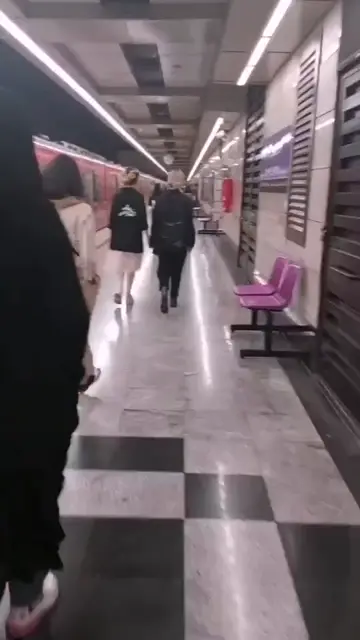
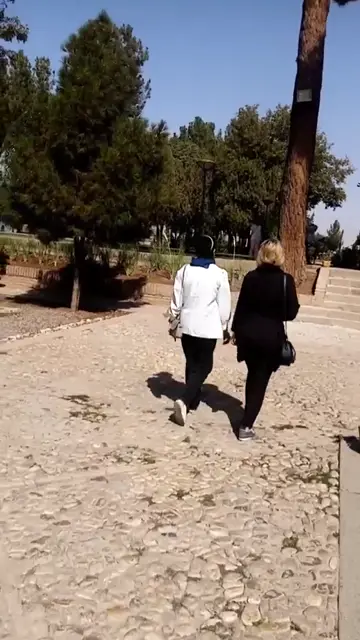
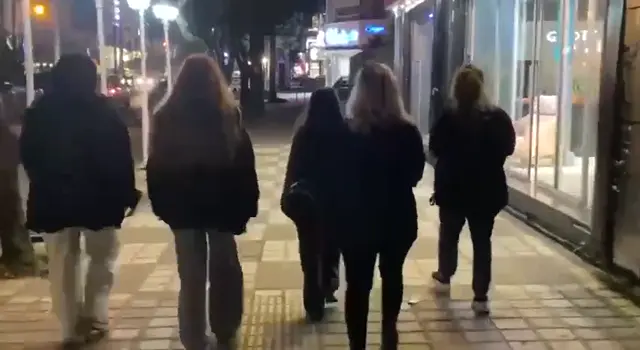
The change in the state’s tools carried its own meaning. A matter that could once be controlled by a morality patrol officer on a street corner had been transferred to millions of small, personal decisions.
The streets grew quieter; defiance did not necessarily follow.
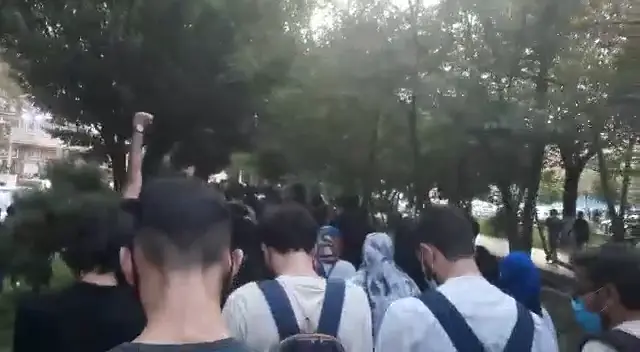
The dream of changing the system
“Don’t call it protest, its name is revolution”
The dream of changing the system: “Don’t call it protest, its name is revolution”
“Don’t call it protest, its name is revolution”
The spark was the death of a young woman detained over her hijab. But the chants moved past the morality police almost immediately.
“Death to the dictator” was heard. Slogans against Ali Khamenei personally and against the Islamic Republic as a system were recorded. Datasets of protest chants even include phrases such as “We don’t want the Islamic Republic” and “Don’t call it protest, its name is revolution.” On campuses, in the streets and in neighborhoods, part of the crowd was no longer talking about amending a law.
This was a significant departure from the Green Movement of 2009, whose founding demand had been framed within the outcome of an election and the structure of the Islamic Republic. The protests of 2022, though they lacked a single political program, arrived for a substantial part of the street at a more fundamental question: should this system remain at all?
It is possible to speak of a dream of revolution: the moment when changing the system moved from a political murmur to an open chant in the street.
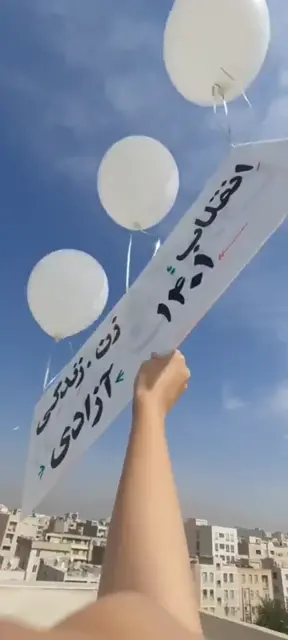
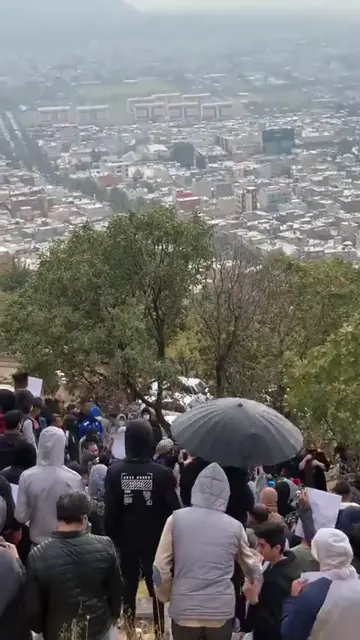
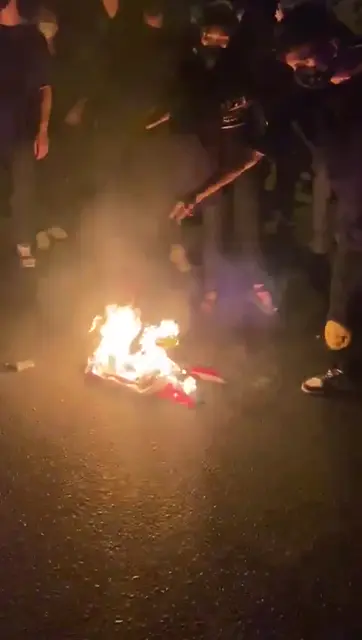
Should this system remain at all?
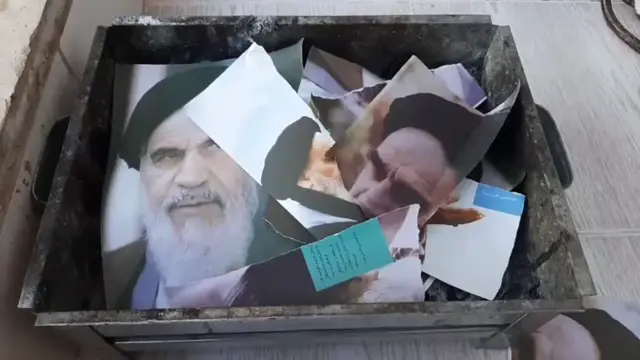
Taboos
Things that suddenly became imaginable
Taboos: Things that suddenly became imaginable
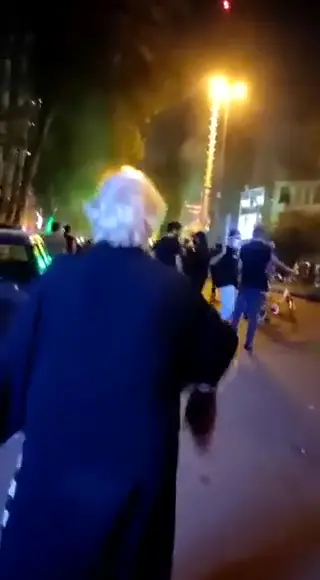
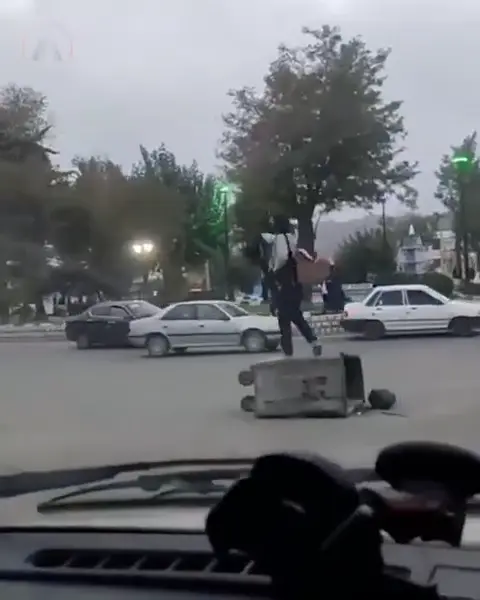
A young man approaches a cleric from behind, knocks the turban from his head and runs. Someone else’s phone has captured a few seconds of it, and within hours thousands have seen the clip.
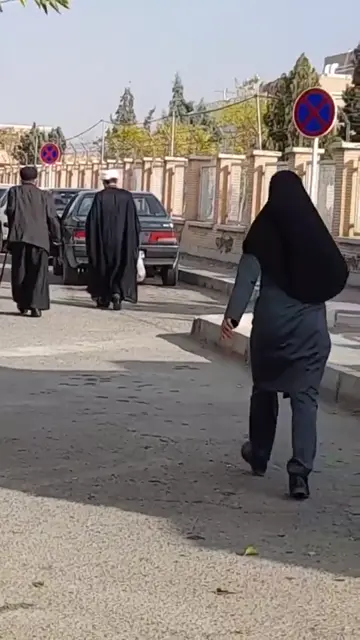
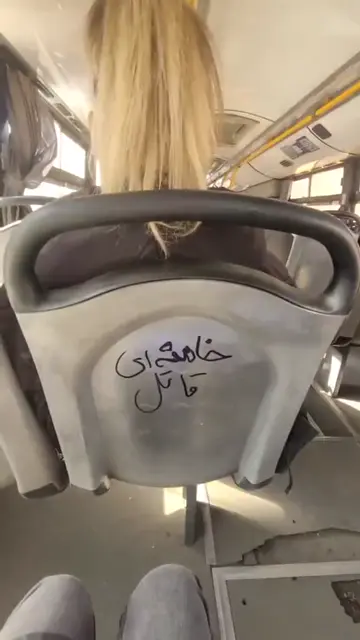
“Turban-tossing” became one of the symbolic forms of protest in November 2022. Its scale should not be exaggerated, but its importance was never in the number of turbans. The clergy, which for decades had held an official and largely protected place in public life, had become a direct object of mockery and street protest.
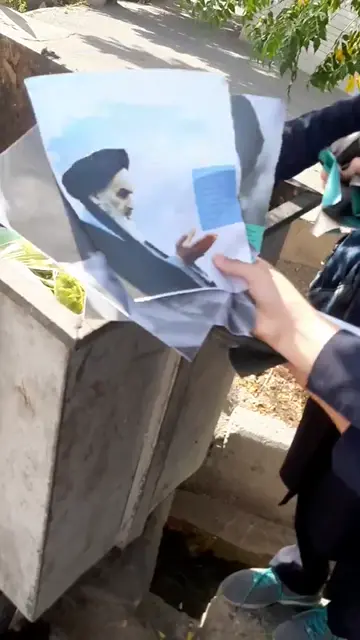
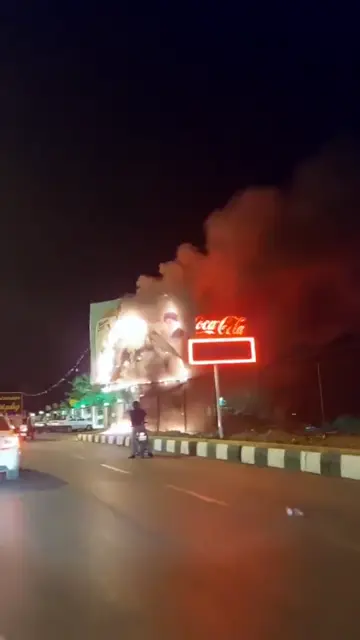
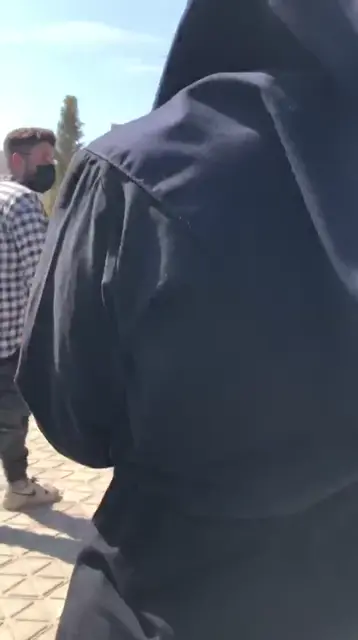
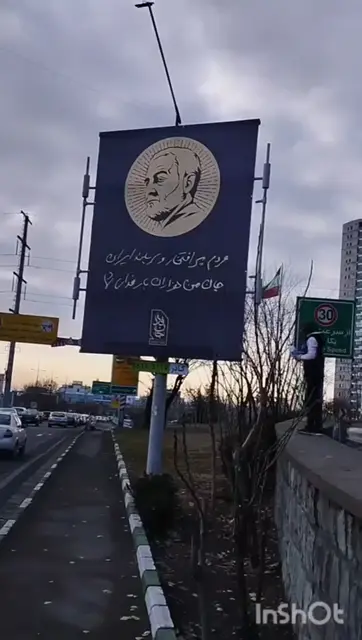
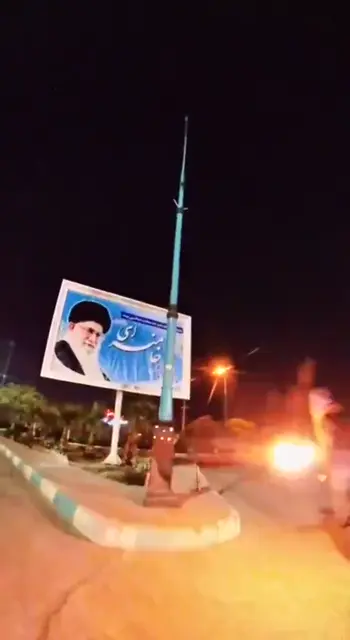
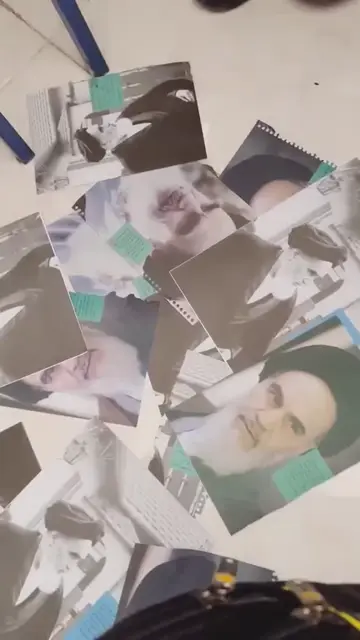
In schools, girls took down the portraits of the Islamic Republic’s leaders or turned their backs to them. In the streets, the portraits from the front pages of the official textbook were burned. On campuses, chants were heard that a few years earlier would have carried an enormous price. Women removed their headscarves in front of cameras.
A taboo is not always broken by a law. Sometimes it breaks through the collective discovery that others, too, are willing to cross the same red line.
The strike
The moment pulling down a shutter became political
The strike: The moment pulling down a shutter became political
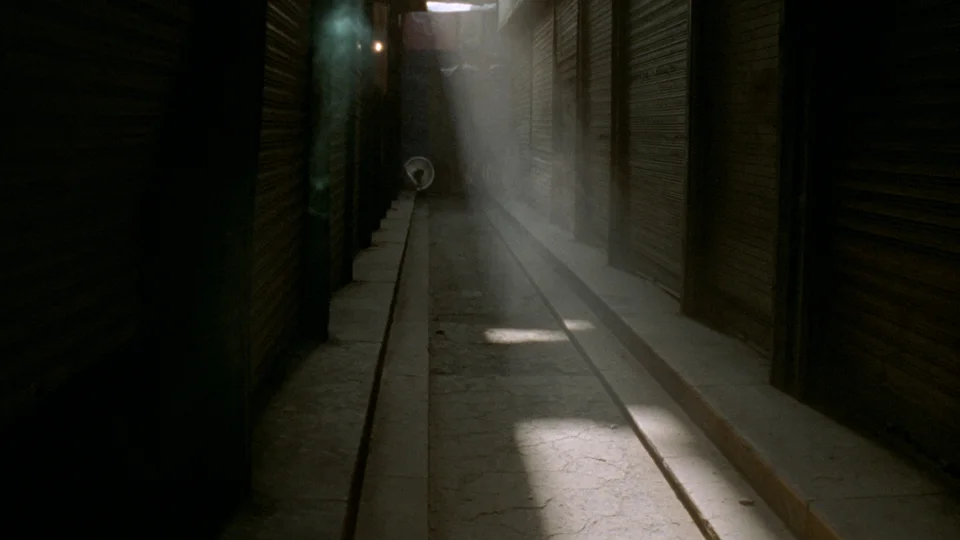
In the morning, the shutters stayed down. From the first days, the strike became one of the principal forms of protest in the Kurdish regions. Saqqez, Sanandaj, Mahabad, Bukan, Marivan and other cities saw businesses close. Calls to strike later reached Tehran and other cities.
In the south, protests and strikes were reported among contract workers in the oil and petrochemical industries at Asaluyeh, Bushehr, Abadan and Bandar Abbas. Workers in other industries also stopped work at times. In December, multi-day calls for a nationwide strike were met with closures in a number of cities.
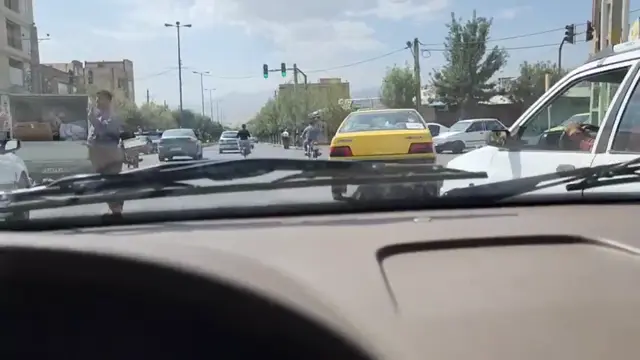
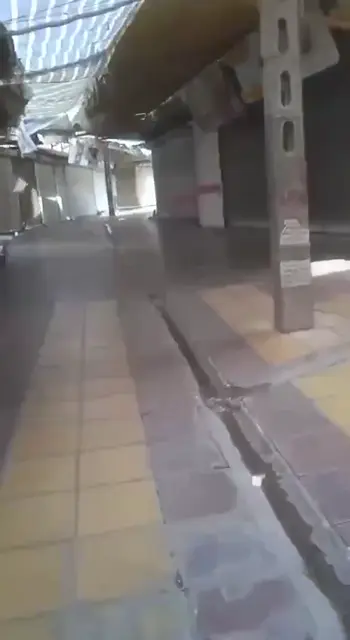
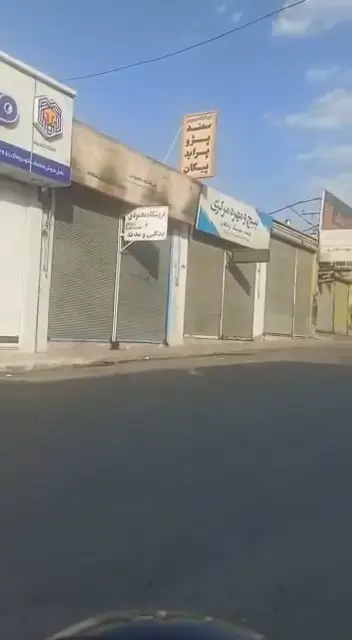
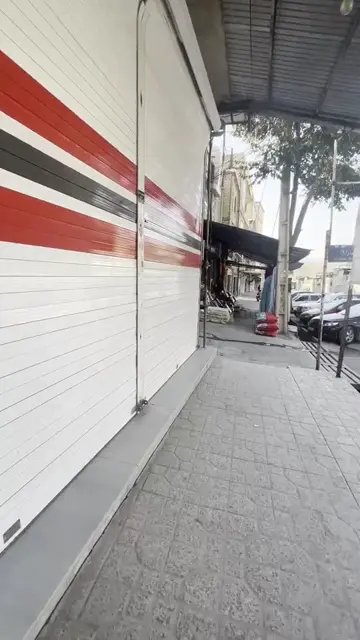
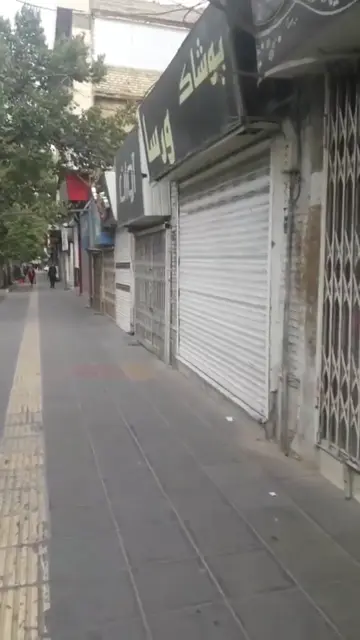
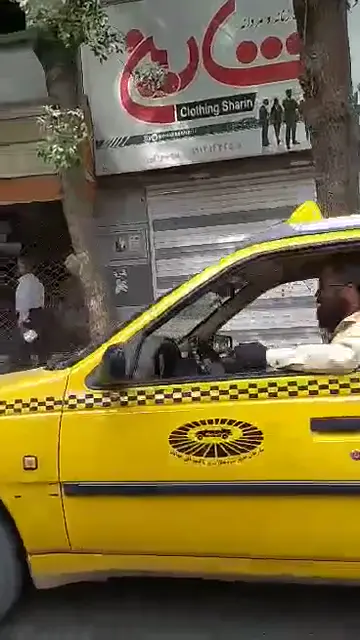
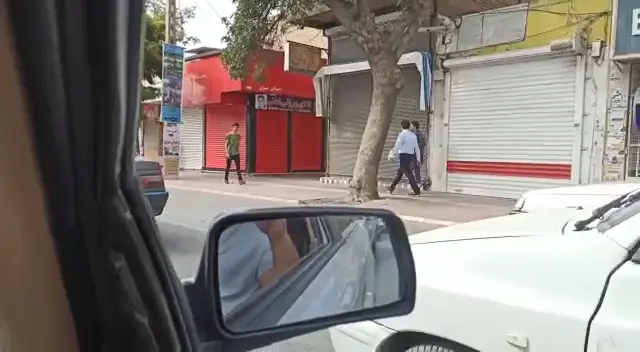
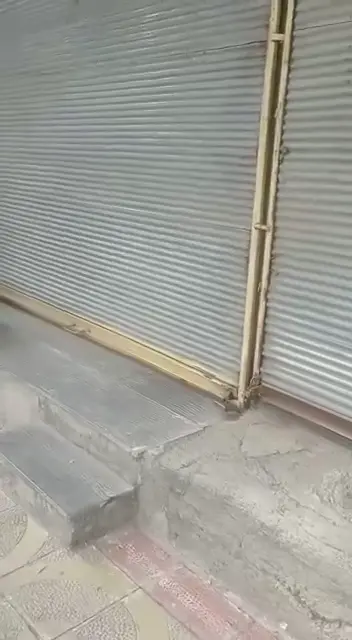
A political instrument was practiced again. Sometimes, to be seen, you do not need to go into the street. It is enough to stop doing your normal work.
Sometimes, to be seen, you do not need to go into the street. It is enough to stop doing your normal work.
Walls
The line that would not be wiped away
Walls: The line that would not be wiped away
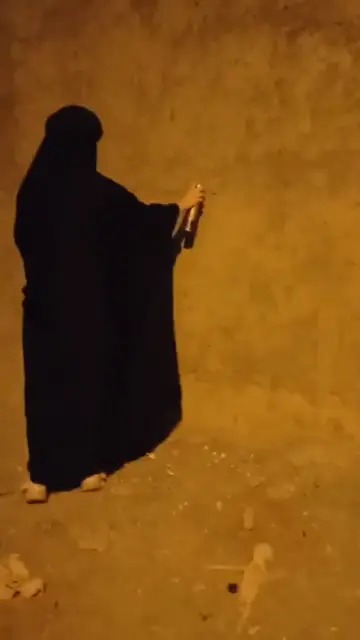
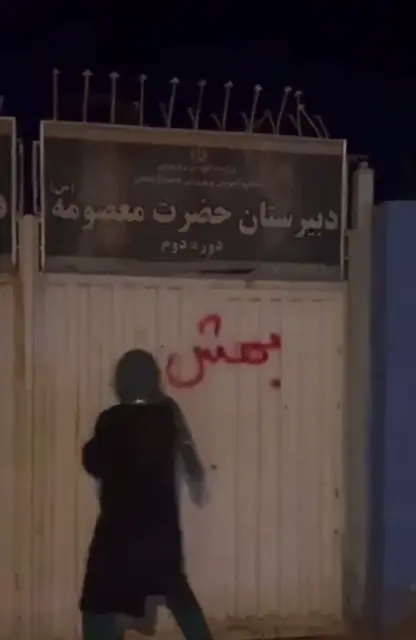
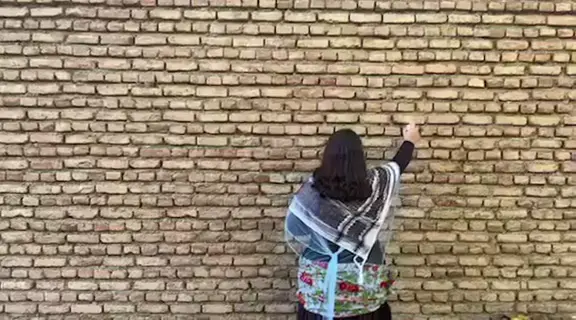
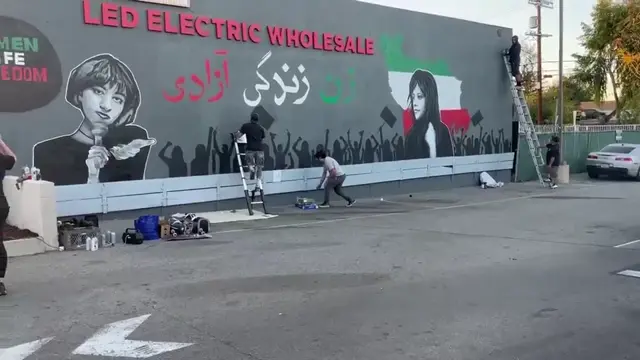
On the walls of the city, protest sometimes survived as a few hurried words, writing that was crooked and uneven, as if the writer had not had long to stay. Someone in the dark wrote “Woman, Life, Freedom” on a wall; someone else left the name of Jina or of one of the dead, and in the morning passers-by read the message.
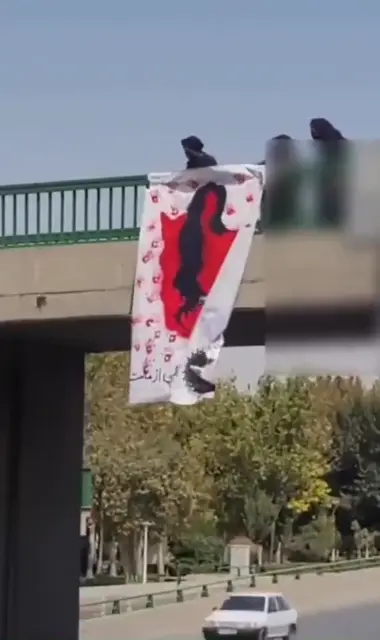
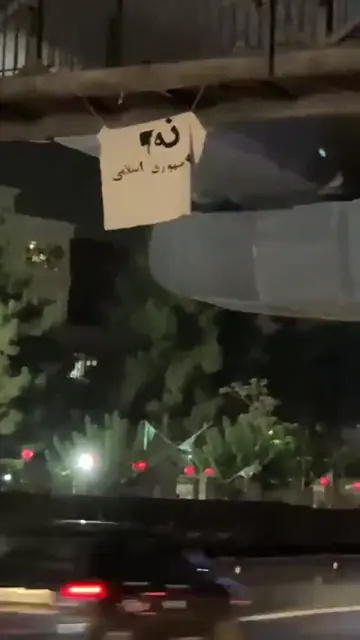
The protest did not stay on the walls. Banners were hung from bridges and high points, protest images and symbols appeared around the city, and the official posters and banners of Ali Khamenei were torn, defaced or pulled down.
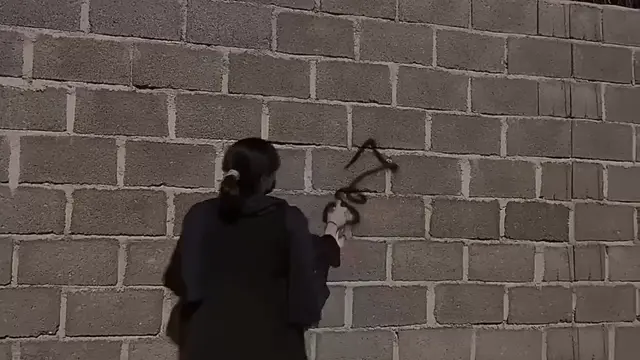
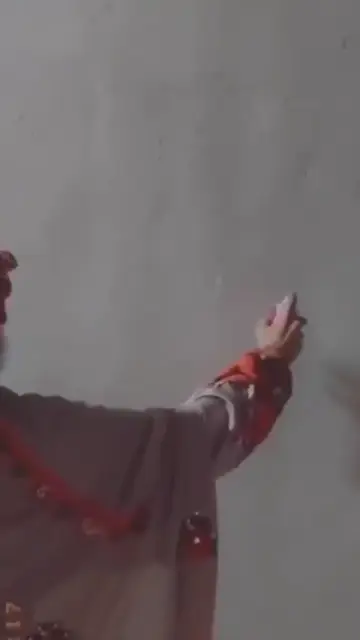
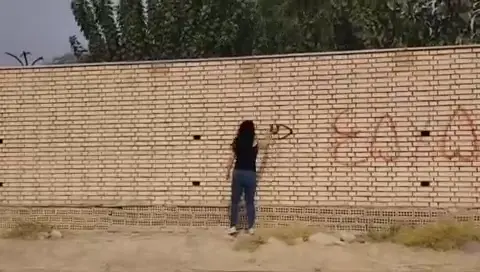
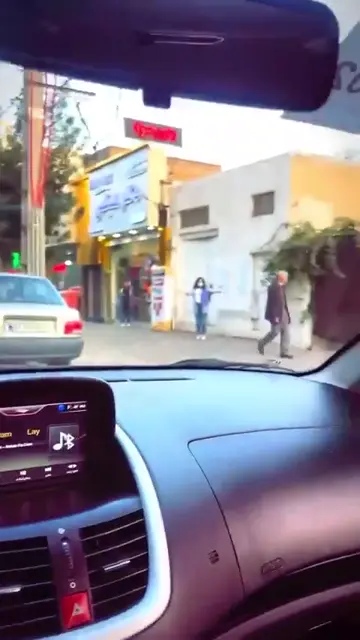
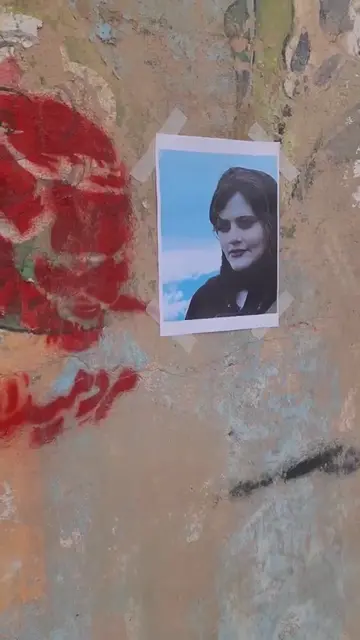
The state could wipe the writing and take down the banners, but the next night a new sentence might appear on the same street. The city had become a place where protesters, even for a few hours, wrote their own version of events onto its surface.
The city had become a place where protesters, even for a few hours, wrote their own version of events onto its surface.
Language
A movement that made its own words, music and images
Language: A movement that made its own words, music and images
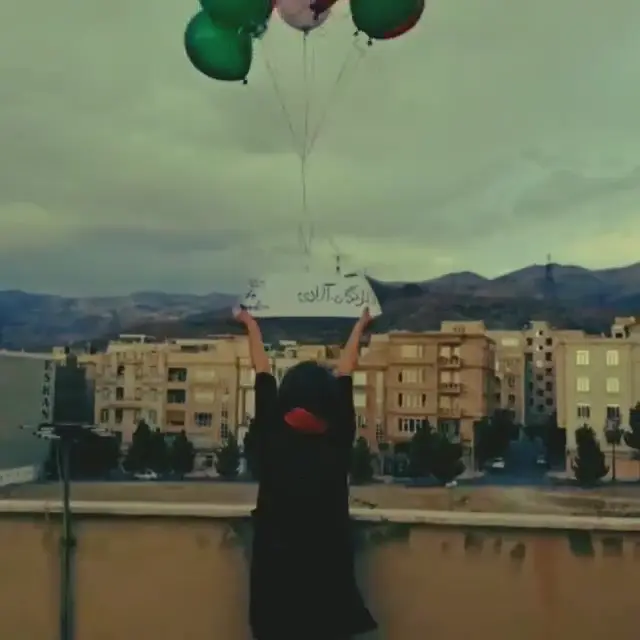
What remained of that autumn was not only the image of crowded streets. The chants and the songs remained too, and hearing them can still summon all of those days.
“Woman, Life, Freedom” moved from the street into music. Shervin Hajipour built “Baraye” (“For…”) out of the sentences and demands of ordinary Iranians, and within days it became one of the defining sounds of the protest. Mehdi Yarrahi opened “Anthem of Woman” with Jina’s name, “In your name, which is our password,” and sang, “Sing, so the city becomes the anthem of woman.” In “Anthem of Life” he too sang of Mahsa, of Nika, of the young generation and of freedom.
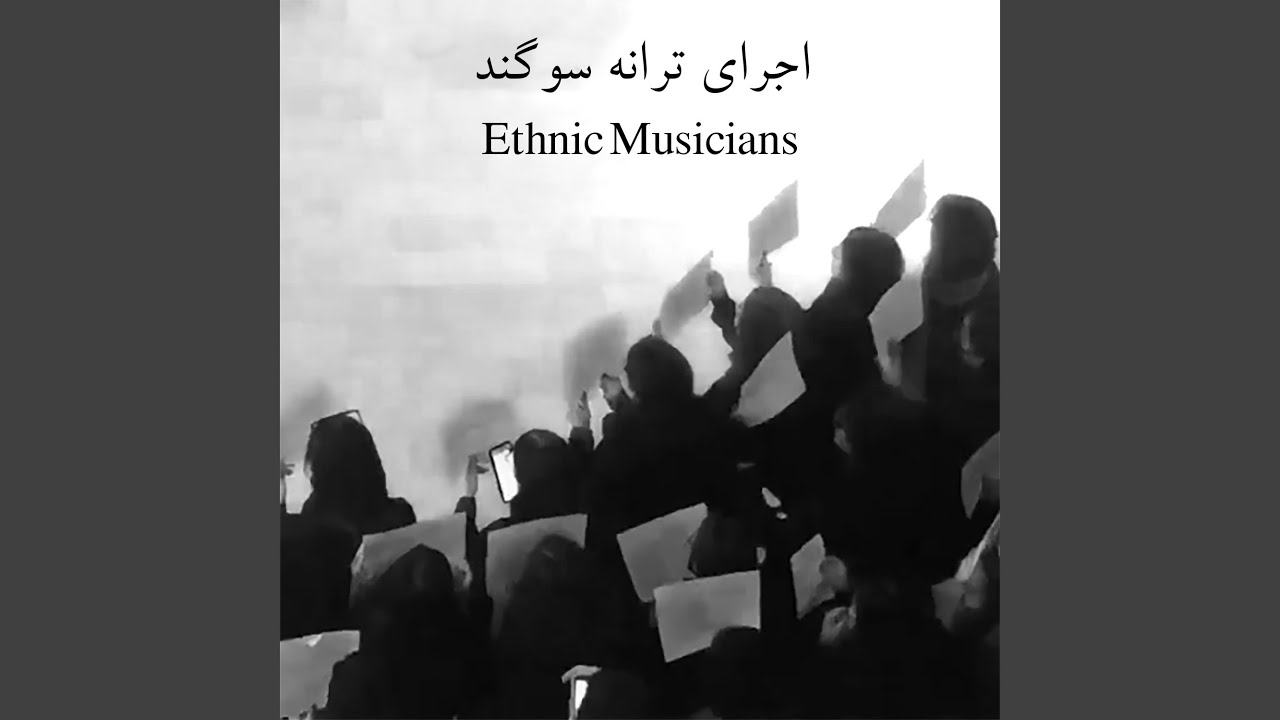
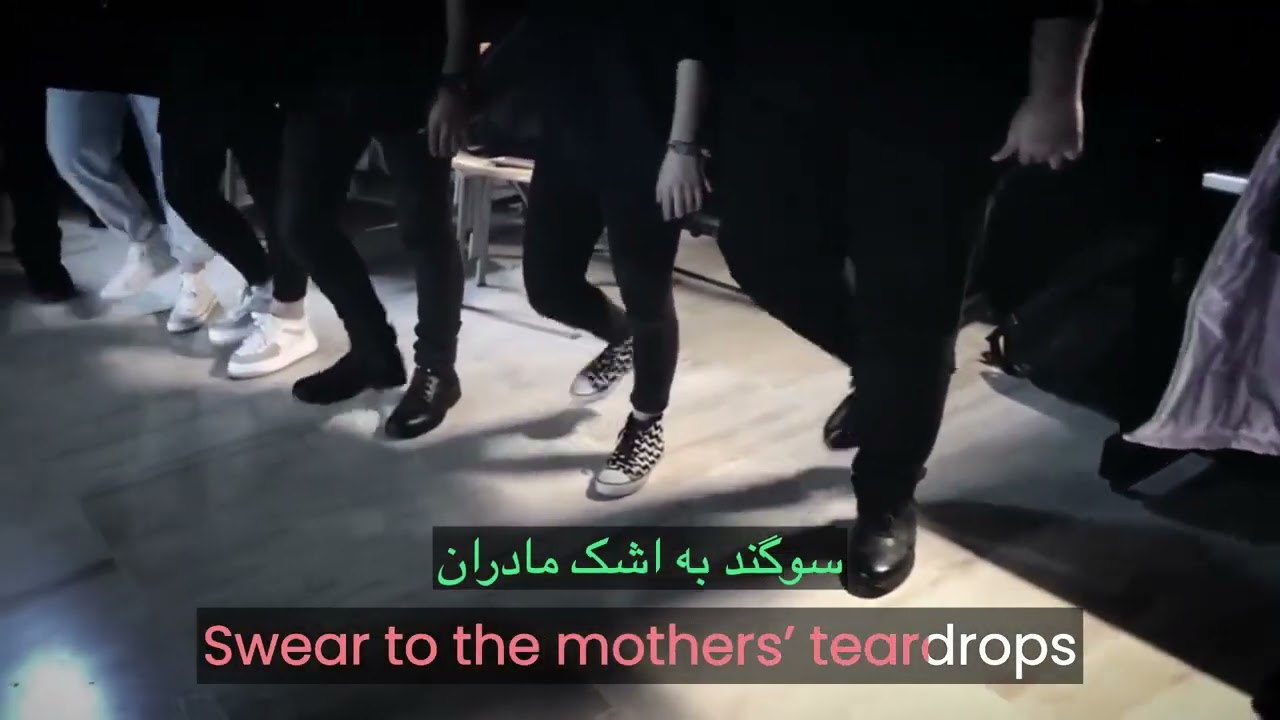
The universities were part of this voice. Students, especially at the University of Art and among music students, sang protest anthems together and composed new ones: voices about women, freedom, homeland, the dead and revolution.
The words of these songs resembled the street itself, full of shared names, images and memories. “Mahsa,” “Nika,” “Zahedan,” “mothers,” “the young generation,” “freedom” and “revolution” sat side by side. In one place there was talk of “the blood of comrades” and “the tears of mothers”; in another, the city was to become “the anthem of woman”; elsewhere a voice sang, “Let my mother Iran be free.” Grief, anger, hope and homeland met in these songs, as if music were holding the scattered pieces of that autumn together.
The protest did not only write its own slogans. It wrote its own music, and that music became part of the memory of “Woman, Life, Freedom.”
Standing with the street
Voices that were no longer spectators
Standing with the street: Voices that were no longer spectators
The protest was not narrated only from the street. Some tried to record what they were seeing, and others, with names and faces known to millions, decided not to stay silent.
Niloufar Hamedi reported from Kasra Hospital and Elaheh Mohammadi from Jina’s burial in Saqqez; both journalists were arrested soon afterwards and held for months. In the same weeks, other journalists were detained or pressured for covering the protests, publishing news or activity on social media.
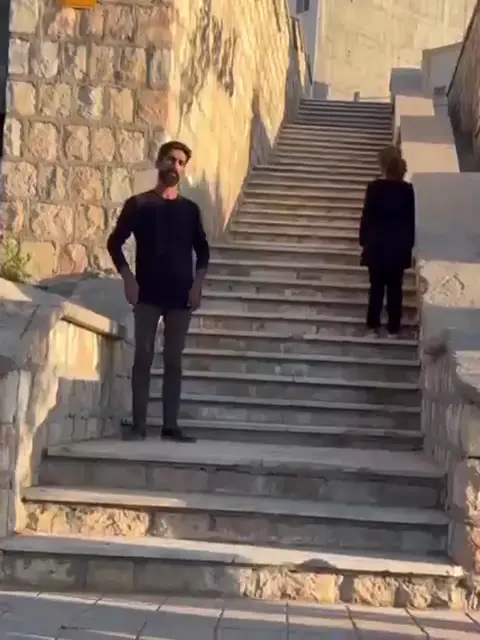
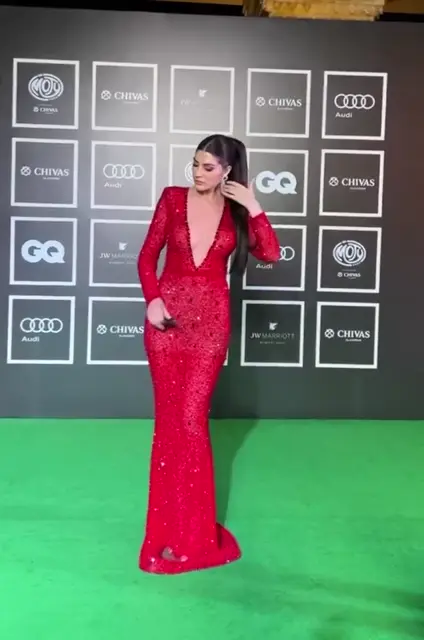
Artists and public figures entered one by one. The actor Taraneh Alidoosti published a photograph of herself unveiled with the slogan “Woman, Life, Freedom,” and was later arrested. Katayoun Riahi and Hengameh Ghaziani appeared without compulsory hijab. Mehdi Yarrahi sang for the protests. In sport, figures such as Ali Karimi openly backed the protesters, and Voria Ghafouri was arrested in the middle of the protests.
Social media had shortened the distance between the street and public figures; a story, a photograph, a song or even silence during the national anthem could become part of the protest.
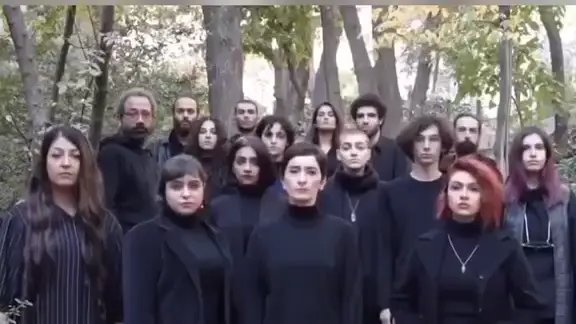
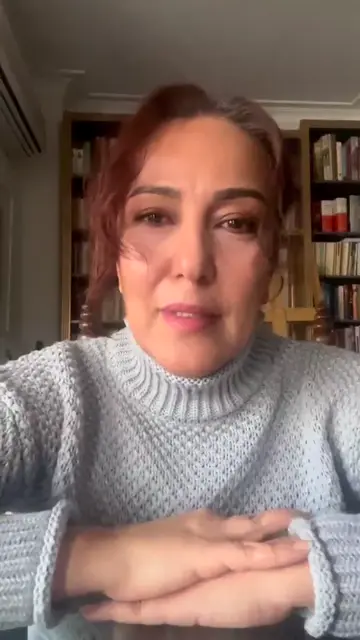
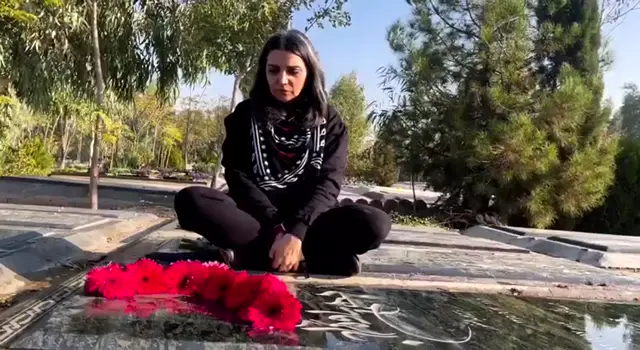
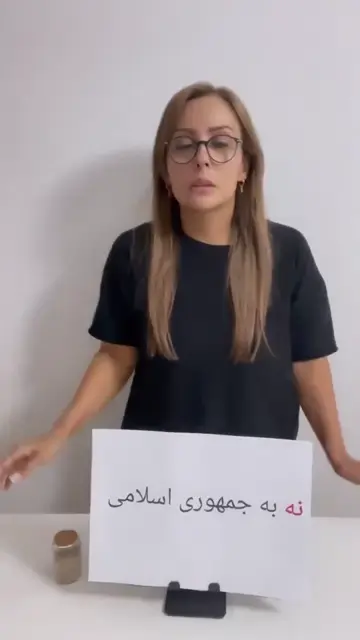
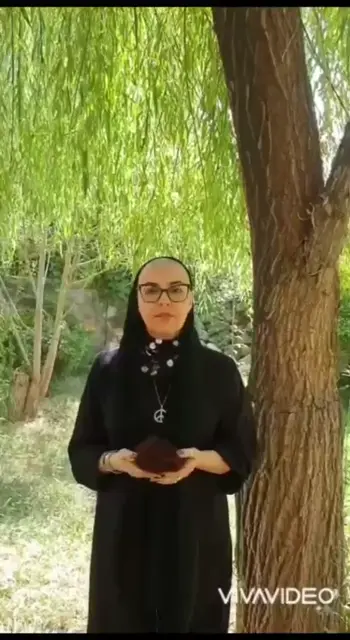
This may have been one of the legacies of “Woman, Life, Freedom”: for some of those who had previously spoken as journalists, artists or athletes, remaining neutral toward what was happening in the streets was no longer as simple as it had been. Some chose to put their voice beside the people’s, and paid for it.
On the podium, on the pitch
Protest reached the field of sport
On the podium, on the pitch: Protest reached the field of sport
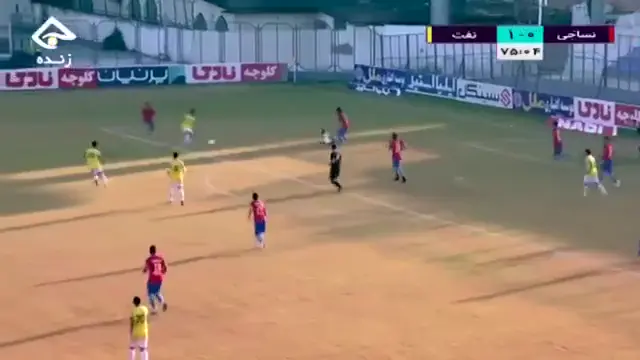
The protests soon reached sport. Elnaz Rekabi competed without compulsory hijab in the final of the Asian climbing championships. Raziyeh Janbaz, a player on the women’s national handball team, announced she was leaving the squad in solidarity with the protesters.
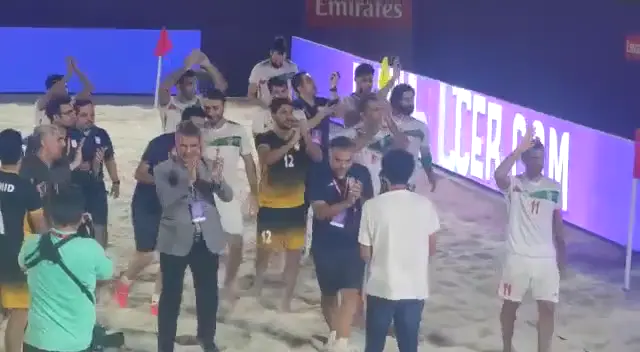
In other disciplines, silence during the anthem became one of the signs of those days. Members of the national basketball, water polo, sitting volleyball and beach soccer teams did not sing the Islamic Republic’s anthem at various competitions. The beach soccer team did not celebrate after winning the Intercontinental Cup, and Saeed Piramoun, after scoring against Brazil, mimed cutting his hair.
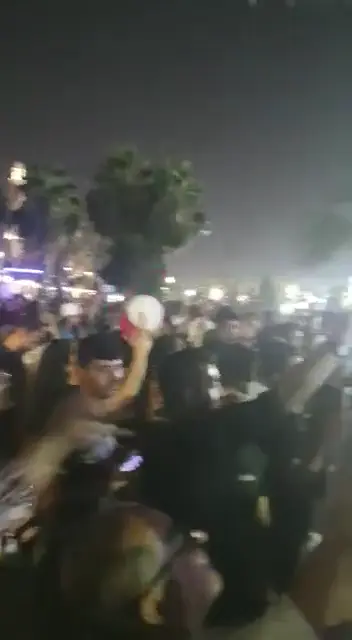
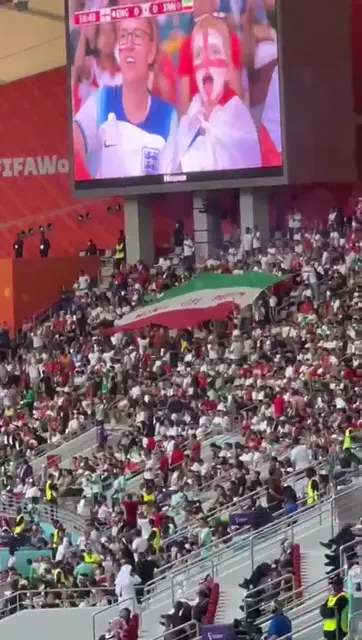
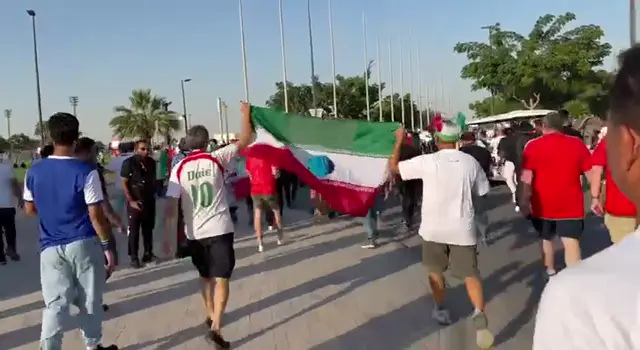
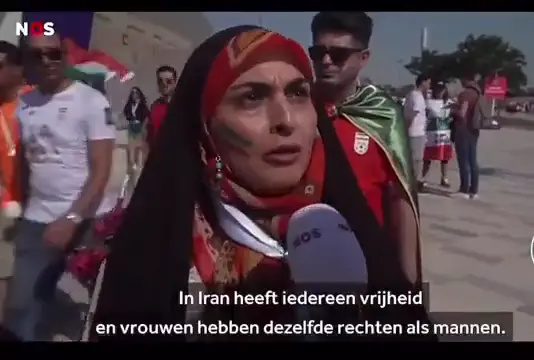
The World Cup was not separate from this. In the stands, placards reading “Woman, Life, Freedom” and bearing Mahsa Amini’s name were seen. After Iran’s defeat by the United States, people celebrated in several cities. In Bandar Anzali, Mehran Samak, 27, was shot and killed that night while honking his car horn; human rights organizations held the security forces responsible.
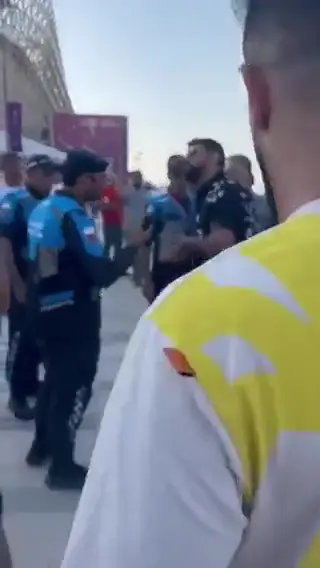
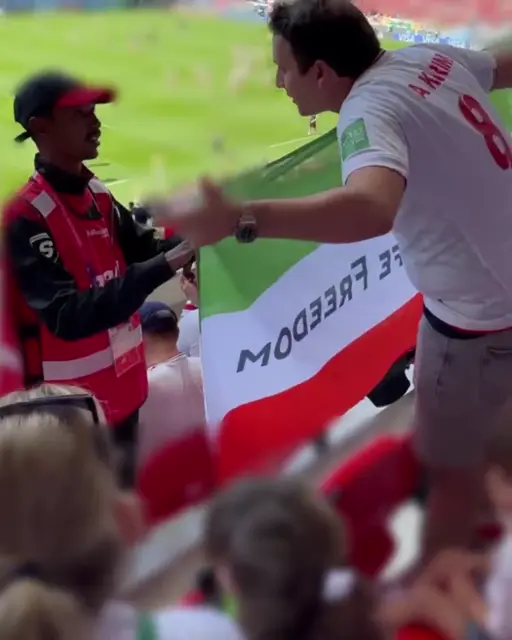
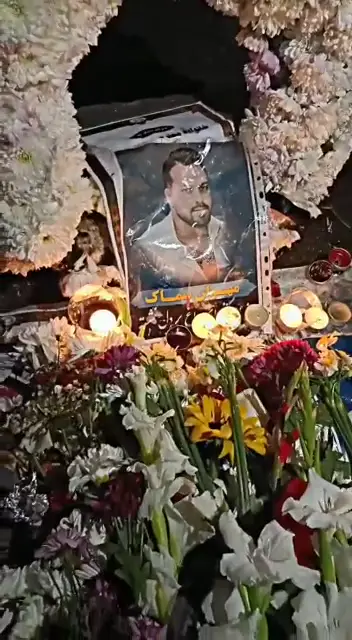
In that autumn, a medal, a goal and a national team shirt were no longer always separate from politics. Sometimes not singing an anthem, leaving a team or a gesture lasting a few seconds became, itself, the language of protest.
Witness
When every phone became a news camera
Witness: When every phone became a news camera
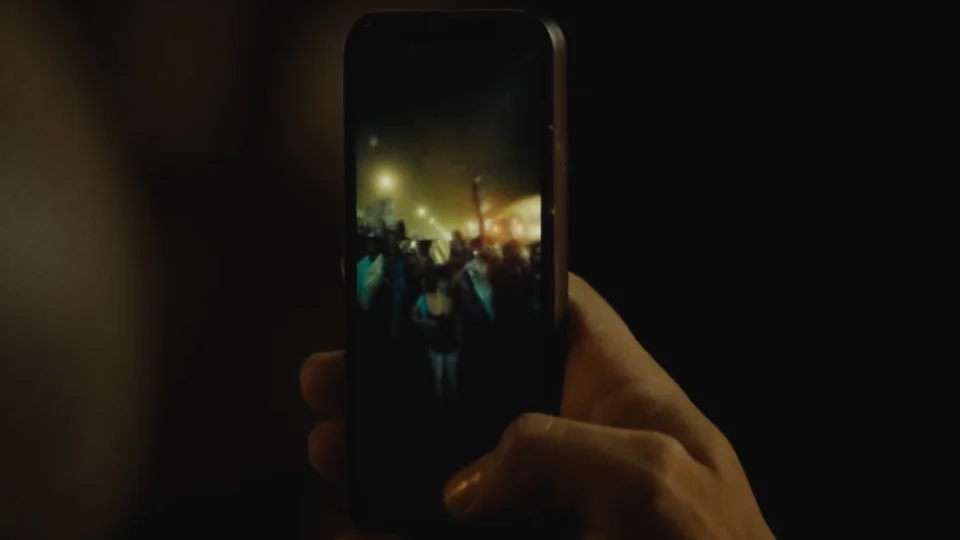
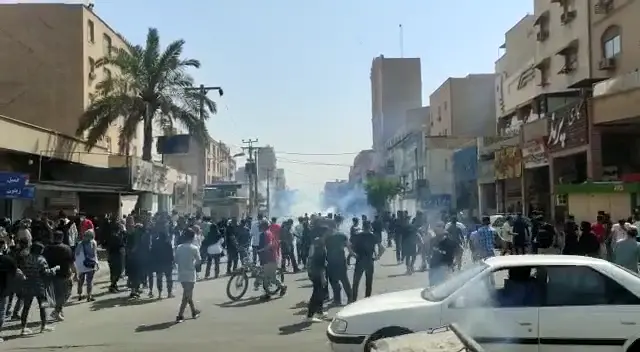
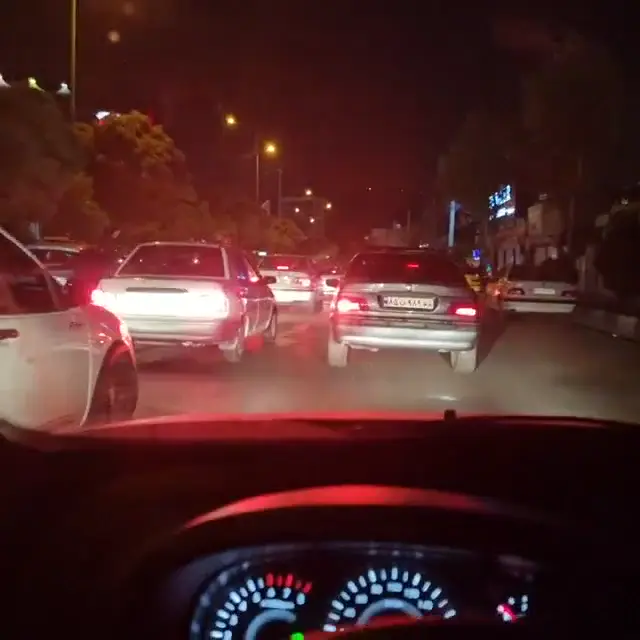
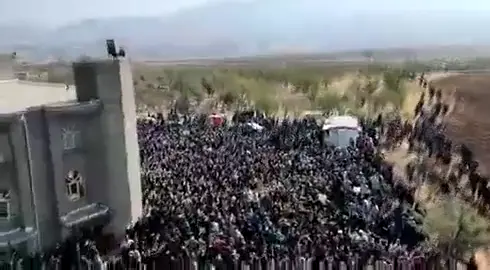
The frame is vertical. The camera shakes. Sometimes there are only a few seconds of gunfire. The person filming does not say their name.
A large part of the memory of the protests was built this way.
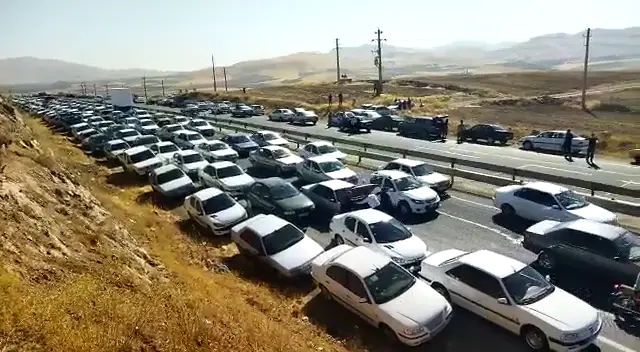
From the first days the state restricted the internet, and Instagram and WhatsApp faced sweeping limits. Disruption was reported in cities from Saqqez and Sanandaj to Tehran, Mahabad, Baneh, Bukan, Kermanshah, Marivan, Kamyaran, Divandarreh, Piranshahr, Urmia, Rasht, Karaj, Arak, Qazvin, Mashhad, Shiraz, Ahvaz and Chabahar.
But the images got out.
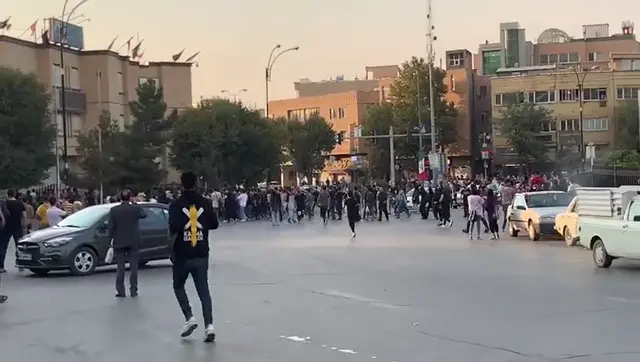
From protests in schools, from the street, from behind windows, from shootings, from ambulances, from gravesides, from universities and from the security forces themselves.
In a country where no independent journalist could work freely at a protest and dozens of journalists were arrested, the ordinary citizen became part of the recording of history.
Grief and resistance
From the graveside to a political calendar
Grief and resistance: From the graveside to a political calendar
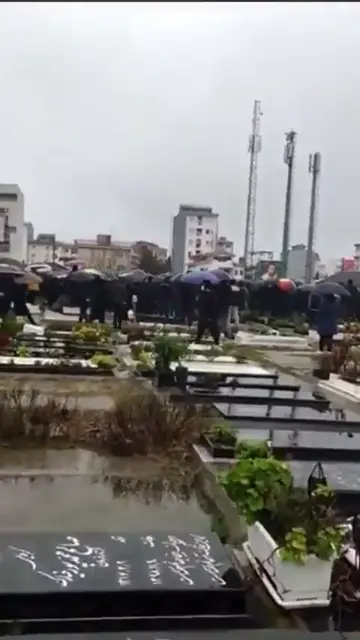
In most accounts, burial is where the story ends. In the autumn of 2022, it was repeatedly where the next chapter of protest began.
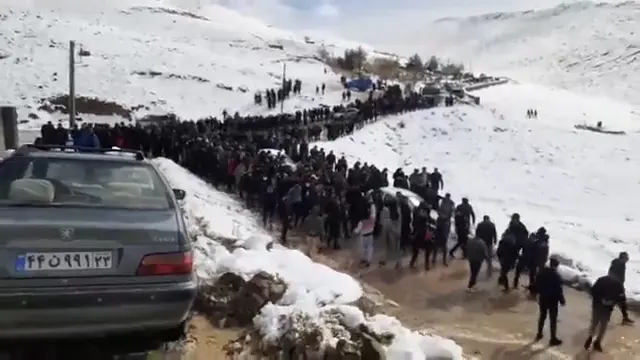
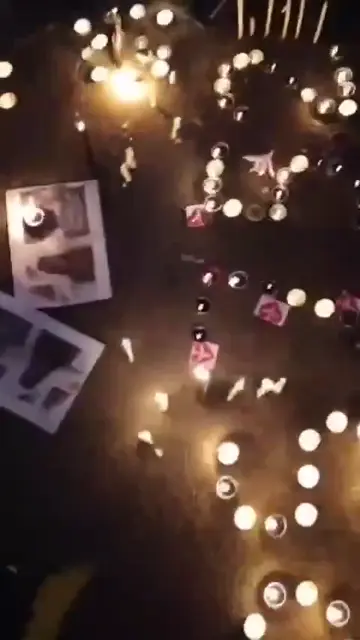
Jina’s funeral was the first instance. Then the ceremonies for the dead in Mahabad, Bukan, Javanrud, Karaj, Arak, Izeh and other cities became places of gathering and chanting. The fortieth-day memorials were marked on the calendar in advance: forty days after a death, a new date for coming together.
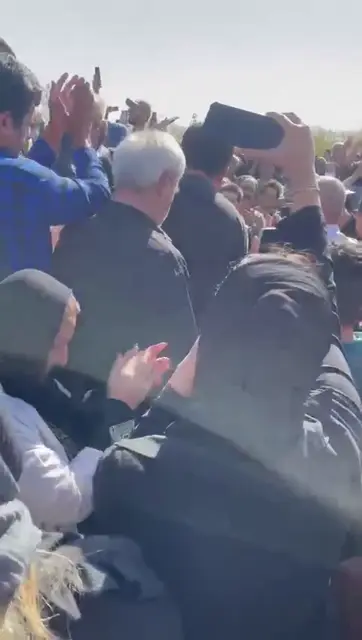
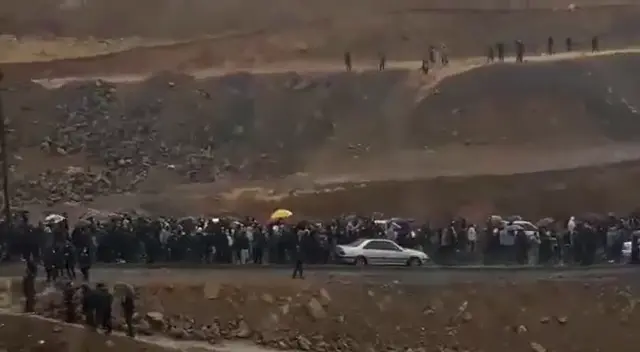
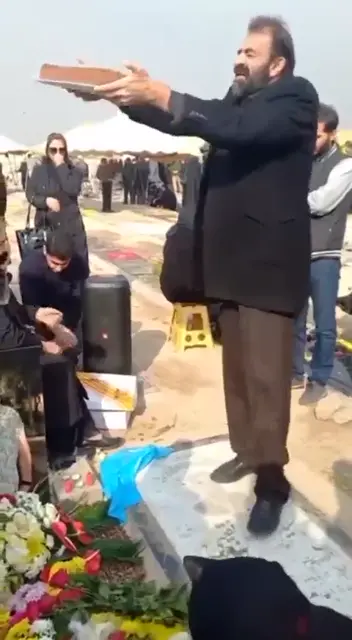
On October 26, Jina’s fortieth day, tens of thousands by some accounts, and more than ten thousand by any, made their way to Aichi cemetery in Saqqez despite the security restrictions. Protests and strikes were reported the same day elsewhere in Kordestan and across Iran, from Sanandaj, Marivan, Kamyaran and Divandarreh to Tehran, Mashhad and Isfahan.
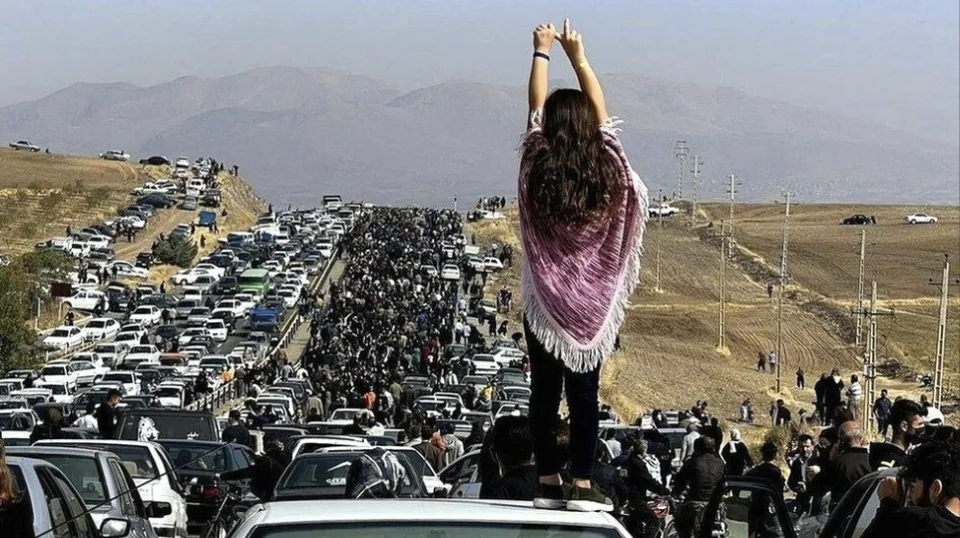
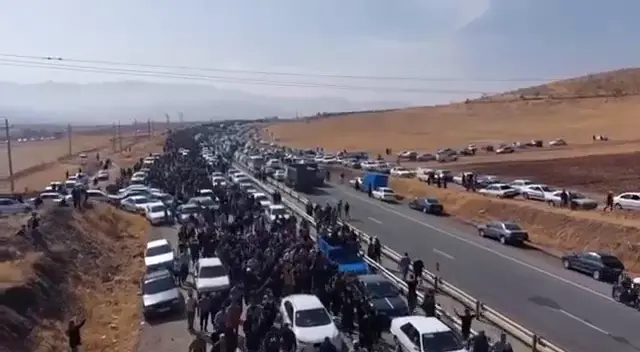
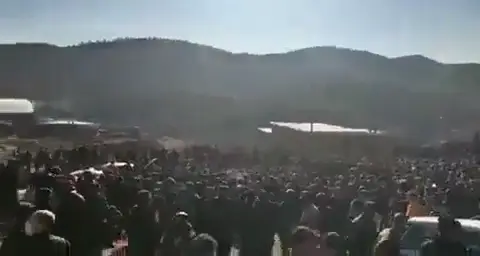
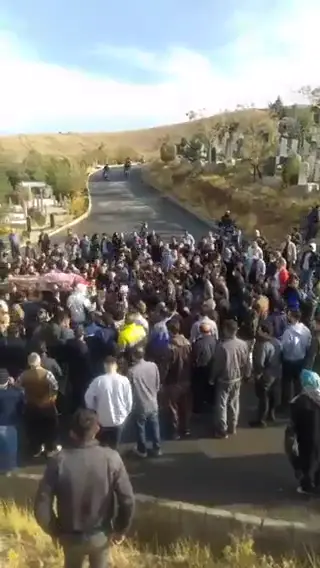
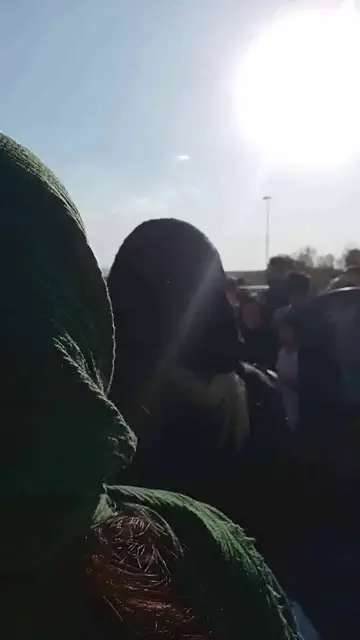
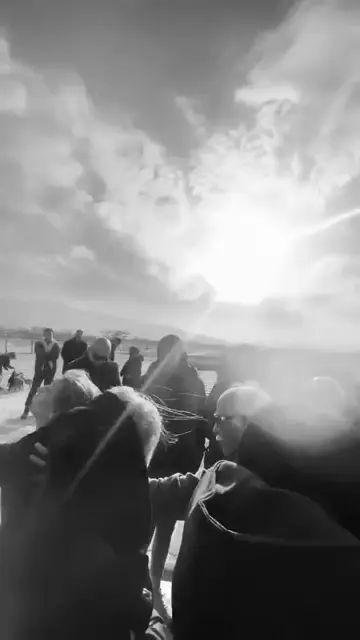
Nika Shakarami, Hadis Najafi, Mehrshad Shahidi, Kian Pirfalak and others did not remain only the names of victims. Their ceremonies brought Iranians together again.
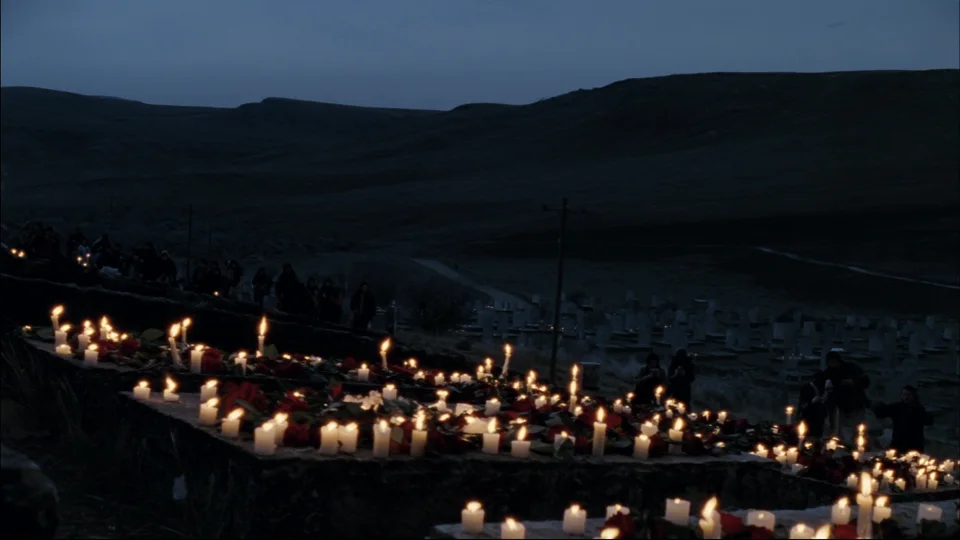
Grief was no longer simply private. The calendar of mourning had become a political calendar.
The calendar of mourning had become a political calendar.
Seeking justice
When families stepped out of the frame of victimhood
Seeking justice: When families stepped out of the frame of victimhood
For a family, the story did not end with a death. Sometimes it was only then that it began.
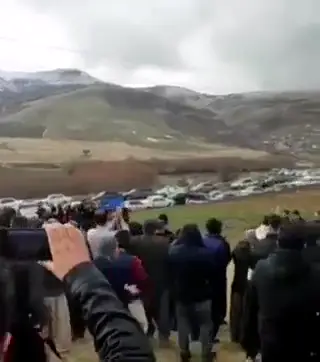
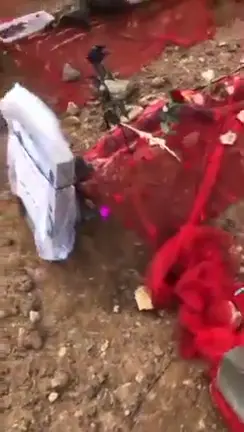
Jina’s family rejected the official account of her death from the first days, and her father repeatedly denied the state’s claim that his daughter had suffered from a pre-existing condition. Nika Shakarami’s family challenged the official version of her death, and at the funeral of Kian Pirfalak, the nine-year-old shot in his family’s car in Izeh, his mother gave her own account of the shooting. In the months that followed, the families of the dead in Kordestan, Khuzestan, Tehran, Alborz, Gilan, Mazandaran and elsewhere stood at gravesides, held birthdays and memorials, and demanded answers.
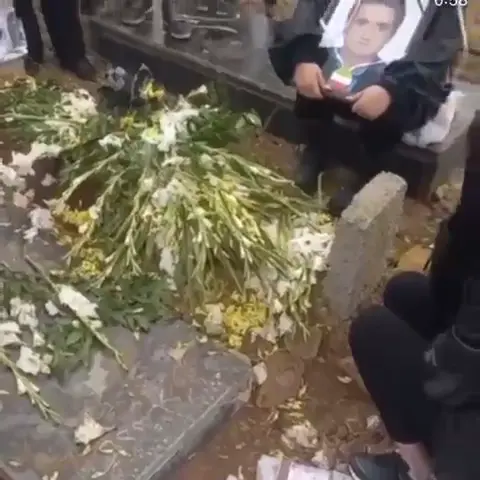
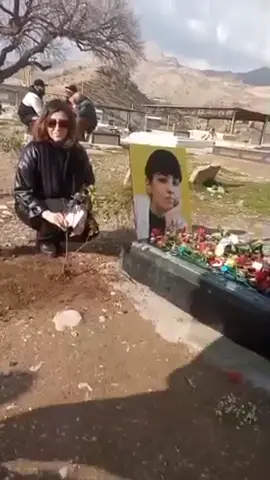
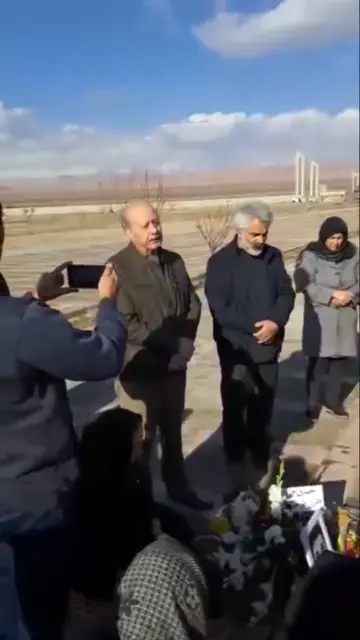
None of this came without cost. Amnesty International has documented numerous cases of summonses, arrests, threats, the prevention of ceremonies and damage to the graves of those killed.
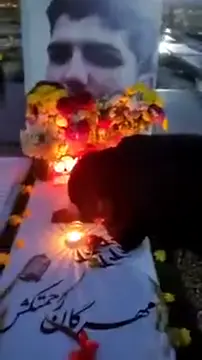
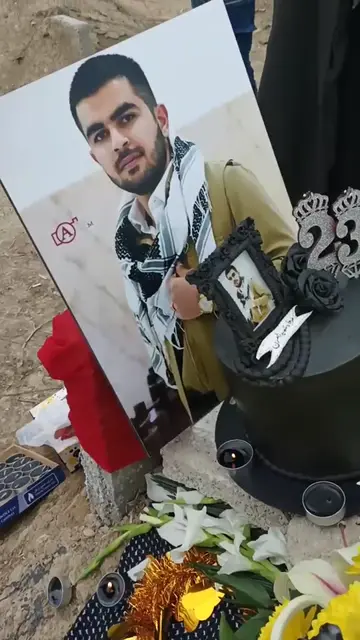
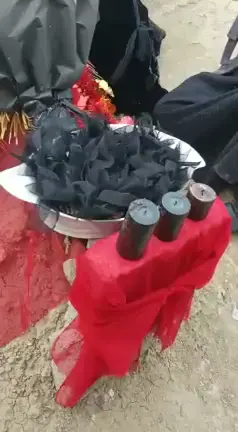
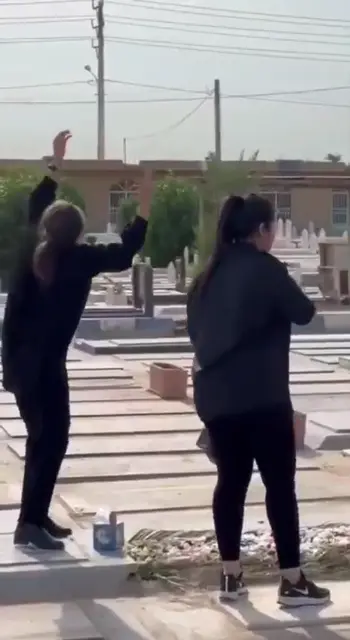
Parents who had never before had any public political role became public voices by insisting on a single question: how was our child killed?
How was our child killed?
From there, the pursuit of justice moved beyond a family’s grief and became a bond among many families.
Fridays of protest
From prayers to “Woman, Life, Freedom”
Fridays of protest: From prayers to “Woman, Life, Freedom”
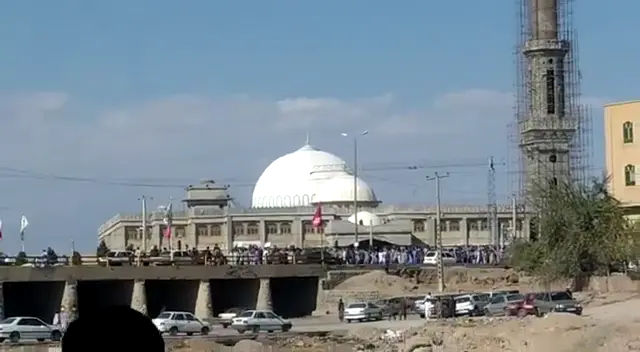
In Zahedan, protest each week began from a place that might at first seem far from the symbols of “Woman, Life, Freedom”: Friday prayers. But on the same streets where worshippers emerged from the mosque, Baluch women held up the flag of “Woman, Life, Freedom” and chanted: “Veiled or unveiled, onward to revolution.”
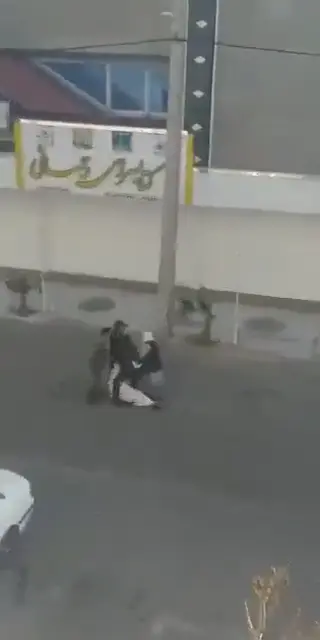
September 30, 2022, Zahedan.
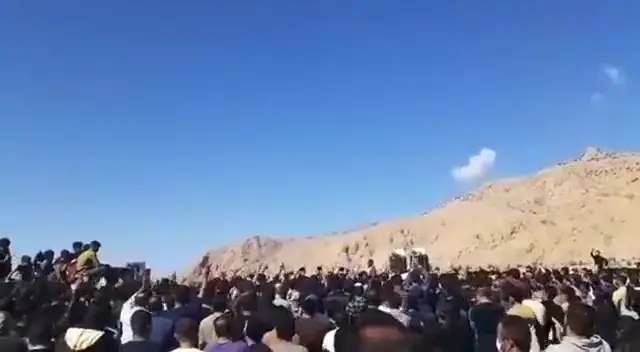
After Friday prayers that day, security forces opened fire on protesters, passers-by and worshippers around the prayer grounds and the Makki Mosque; the day became known as Zahedan’s Bloody Friday. Amnesty International later documented at least 80 people killed in the events of that day.
But Zahedan did not end with that Friday. The following week the people came again; and the Friday after, and again. At a time when large gatherings had thinned in many cities, Friday prayers in Zahedan became a weekly appointment for protest, and women became more visible in it.
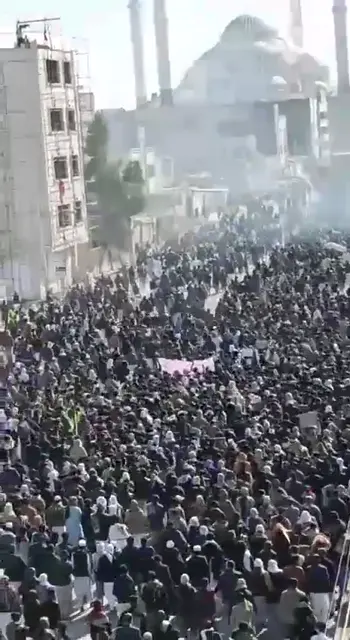
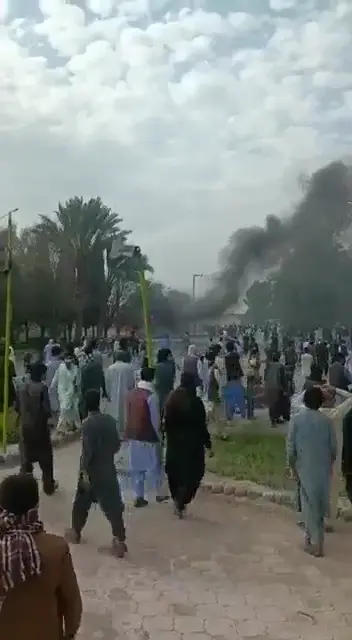
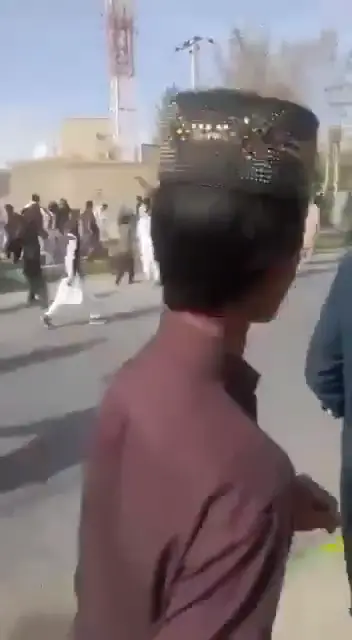
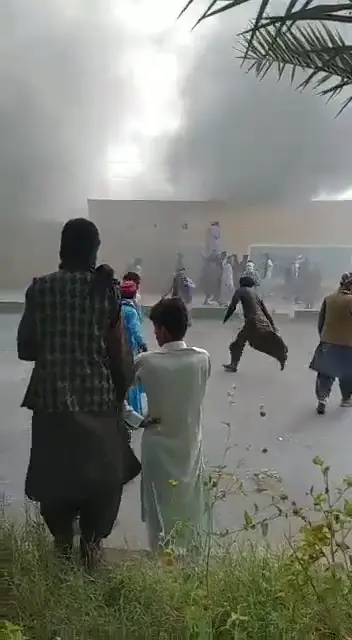
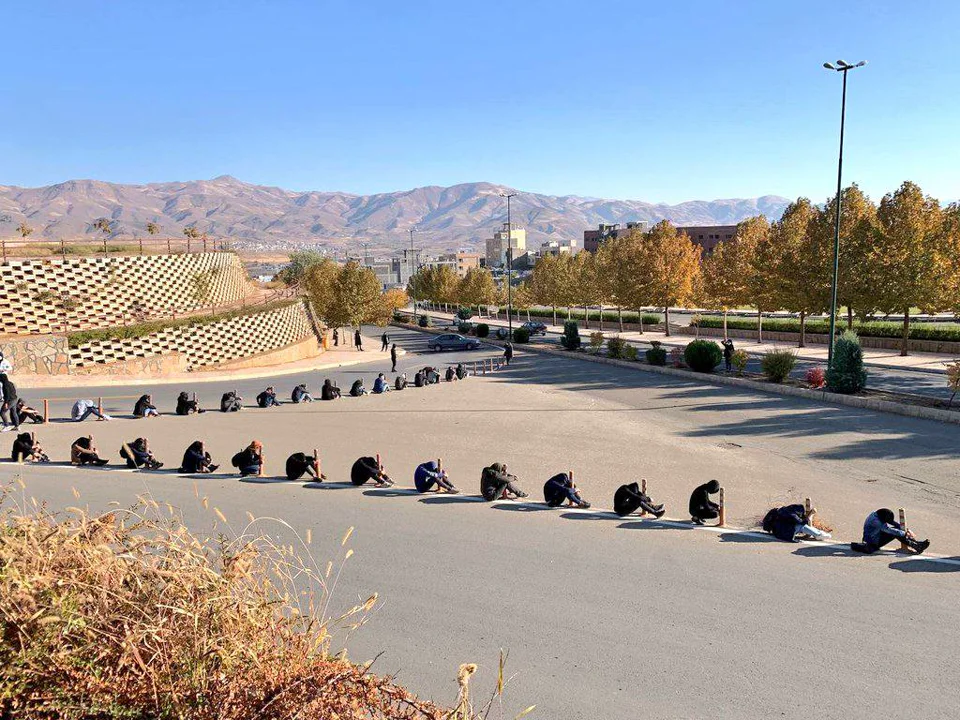
Zahedan gave the nationwide network a different image: a place where differences of faith and way of life did not stop voices reaching one another, and where Friday itself became the appointed hour of protest.
The diaspora
Distance did not stop the protest
The diaspora: Distance did not stop the protest
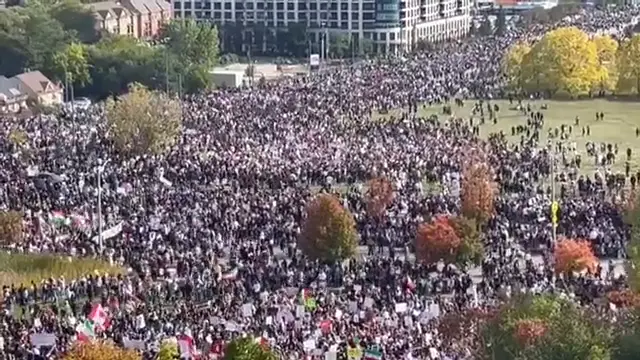
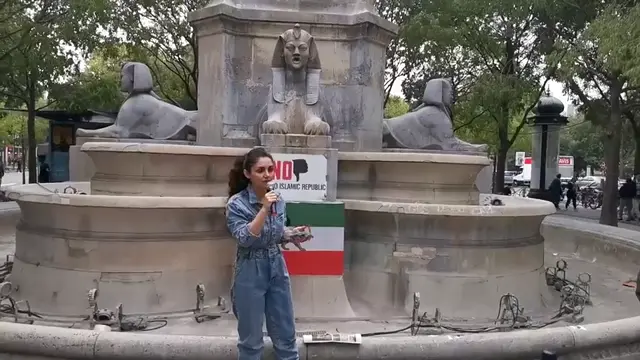
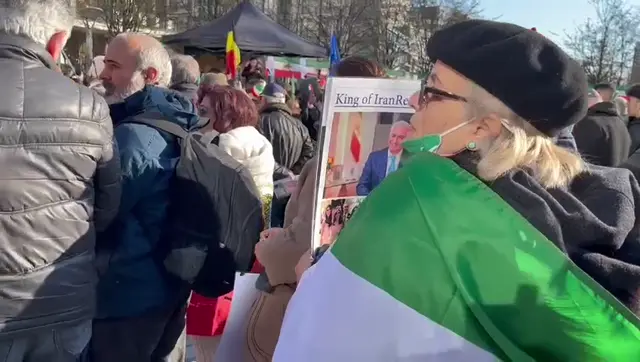
Distance from Iran did not stop the protest. For weeks and months, Iranians abroad came into the streets in London, Berlin, Paris, Toronto, Los Angeles and dozens of other cities, with photographs of Jina and the other dead, with cut hair, and with the same slogan: “Woman, Life, Freedom.”
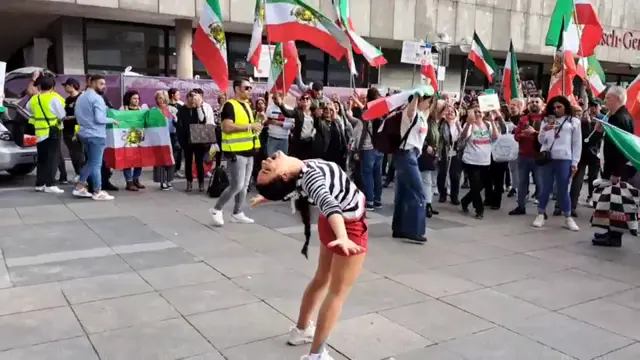
In October 2022, around 80,000 people gathered in Berlin, and in Richmond Hill, Canada, police put the number at one gathering at more than 50,000.
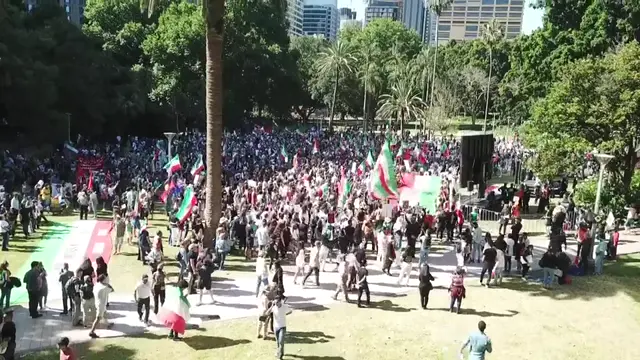
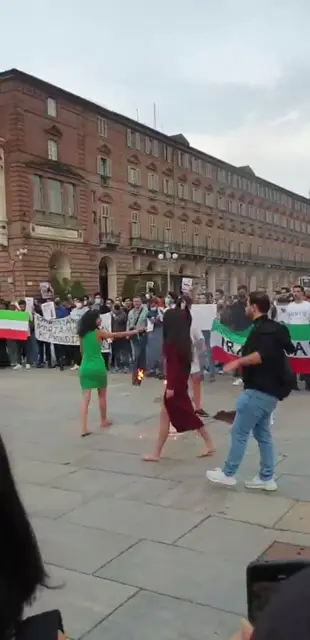
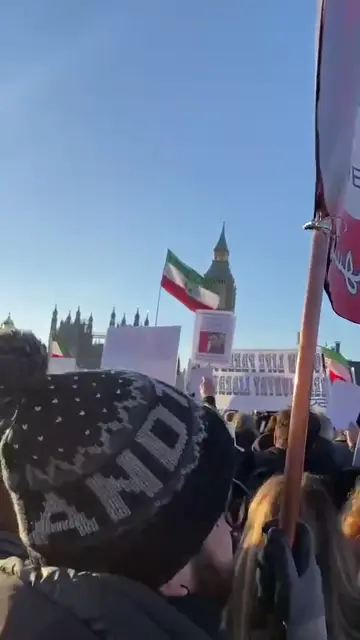
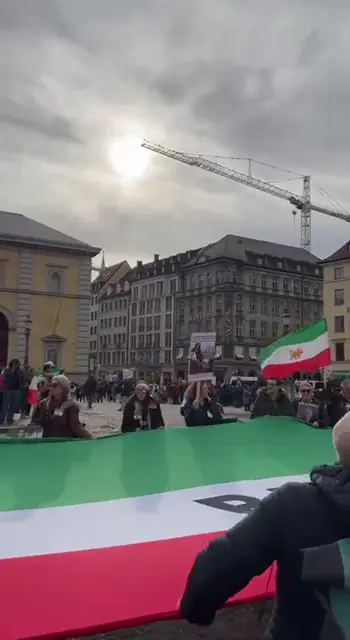
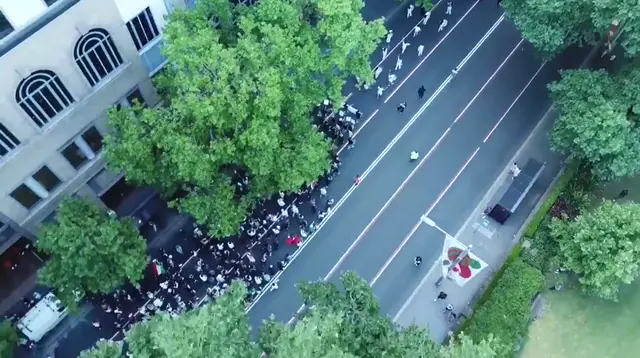
For a generation of Iranian emigrants, the protests inside Iran had rebuilt a direct relationship with the street; this time a street thousands of kilometers from Tehran and Saqqez.
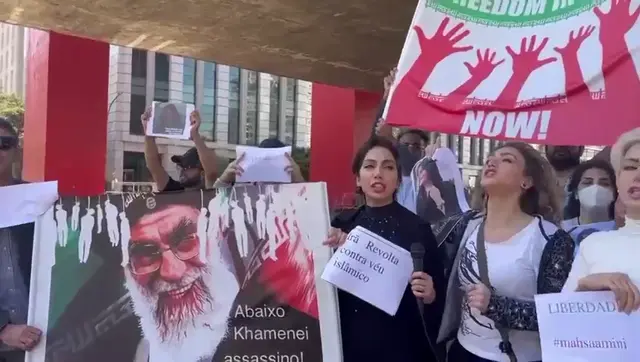
A global voice
The voice of the Iranian people went global
A global voice: The voice of the Iranian people went global
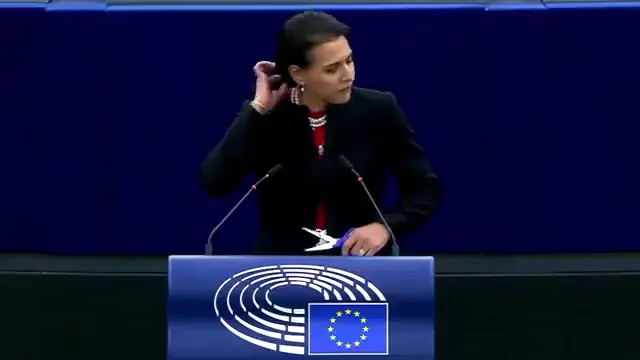
Images of protesting women and of the crackdown moved quickly from social media to the floors of parliaments and international institutions. In the European Parliament, members debated Jina’s death and the repression; Abir Al-Sahlani, a Swedish member, cut her hair during her speech and said “Jin, Jiyan, Azadî,” and days later the parliament passed a resolution in support of the protesters and calling for sanctions on those responsible.
The reaction did not stay symbolic. Governments imposed sanctions on officials and institutions of the Islamic Republic, and in November 2022 the UN Human Rights Council held a special session on Iran and, by a vote of 25 countries in favor, established an independent fact-finding mission on the crackdown.
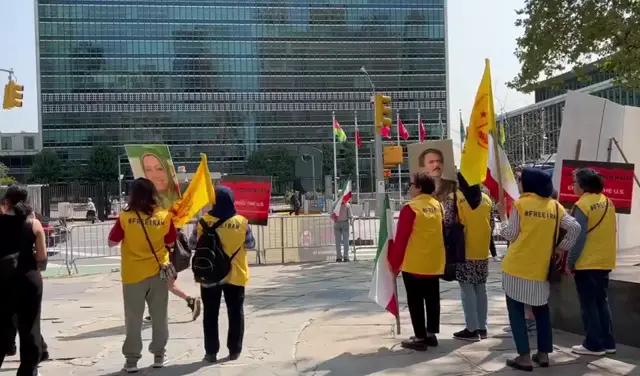
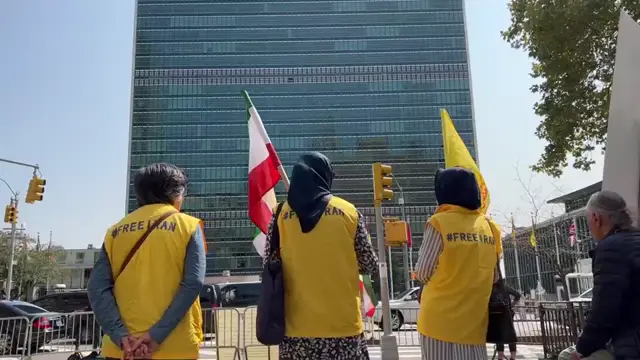
At the same time, dozens of European politicians took on political sponsorship of jailed protesters and carried the names of detainees into their own parliaments.
What had begun in the streets of Iran had become a matter on which the legislators and governments of other countries were obliged to take a position.
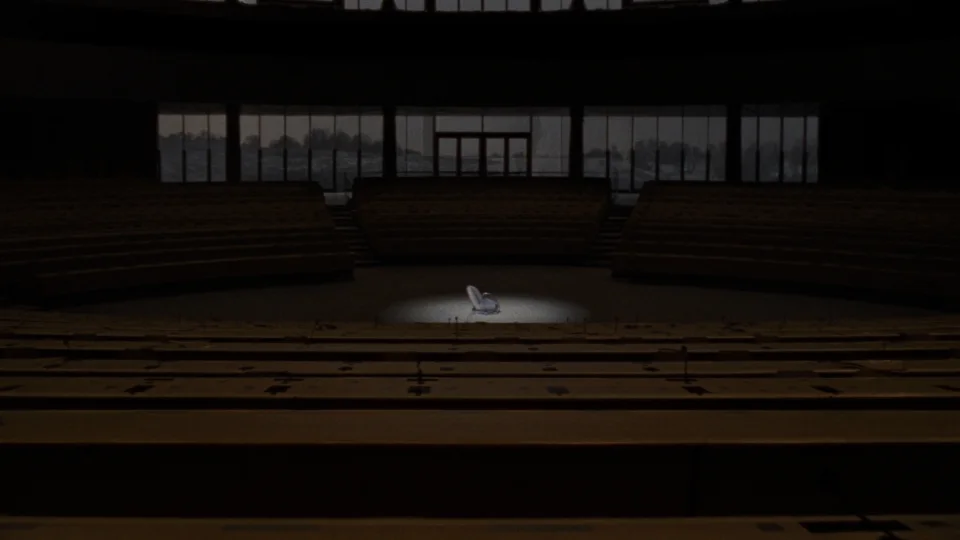
Eroding standing
The beginning of the erosion of the Islamic Republic’s standing
Eroding standing: The beginning of the erosion of the Islamic Republic’s standing
The crackdown on “Woman, Life, Freedom” did not carry a cost only in Iran’s streets. In the months that followed, the Islamic Republic faced a new wave of political pressure abroad. The European Union sanctioned more officials, security commanders and institutions for their role in Jina Amini’s death and the repression of protesters; for those listed, the sanctions meant a ban on travel to the EU and the freezing of assets.
Things happened that had not previously been on Europe’s political agenda, at least not with such force. In January 2023 the European Parliament called for the Revolutionary Guards and their affiliated forces to be placed on the EU’s terrorist list, saying that the state’s treatment of protesters required a further shift in European policy toward the Islamic Republic.
One of the most symbolic blows came at the United Nations: in December 2022, in response to the repression of women and protesters, the Islamic Republic was removed from the UN Commission on the Status of Women. In the months that followed, the list of sanctioned officials and institutions kept lengthening. The Islamic Republic had been a state under pressure and sanctions before “Woman, Life, Freedom.” But after 2022, its repression of the Iranian people became one of the drivers of the further erosion of its international standing and the deepening of its political isolation.
Memory
What remained after the fire in the streets went out
Memory: What remained after the fire in the streets went out
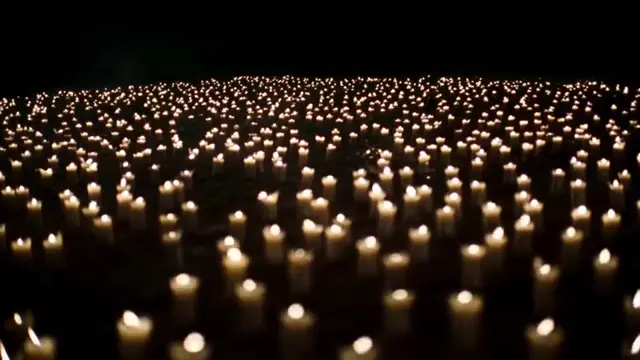
Four years on, perhaps no one can remember the order of all the nights. But the names remained.
The places, too, remained in memory, this time with new meaning.
And the images:
The revolutionary movement of “Woman, Life, Freedom” did not bring down the government in 2022, and the streets grew quieter under the weight of the crackdown. But what had formed in those months did not vanish when the streets emptied. The protesters had been through an experience that could no longer be erased from collective memory: the knowledge that cities can become each other’s voice, that Kordestan and Baluchestan can call to one another, that women can stand at the center of protest, and that people who have never met can understand, in a single moment, that they are not alone.
If we look at the map again from the beginning, that may be the most important image left behind. One spark reached a thousand connections.
Three years later, with the protests of early 2026 and what came to be called the Iranian National Revolution, a society came back into the streets carrying the experience of 2022. The new wave was different, but part of the memory, the language and the courage of “Woman, Life, Freedom” remained with the protesters.
That may be the most important legacy of that autumn: the belief that the people of Iran, with all their distances and differences, can find one another again and stand together.
Four years on, that spark is not only the memory of one autumn. Its trace remains in the protest that followed, in the demand for change and in a generation that still sees itself in the middle of the same road. For many of those who took part, “Woman, Life, Freedom” was not the end of a protest. It was a chapter of a revolution that has not yet ended.